Waly Diouf Bodiang Accuses Abdourahmane Diouf of "Parasitic Opportunism"
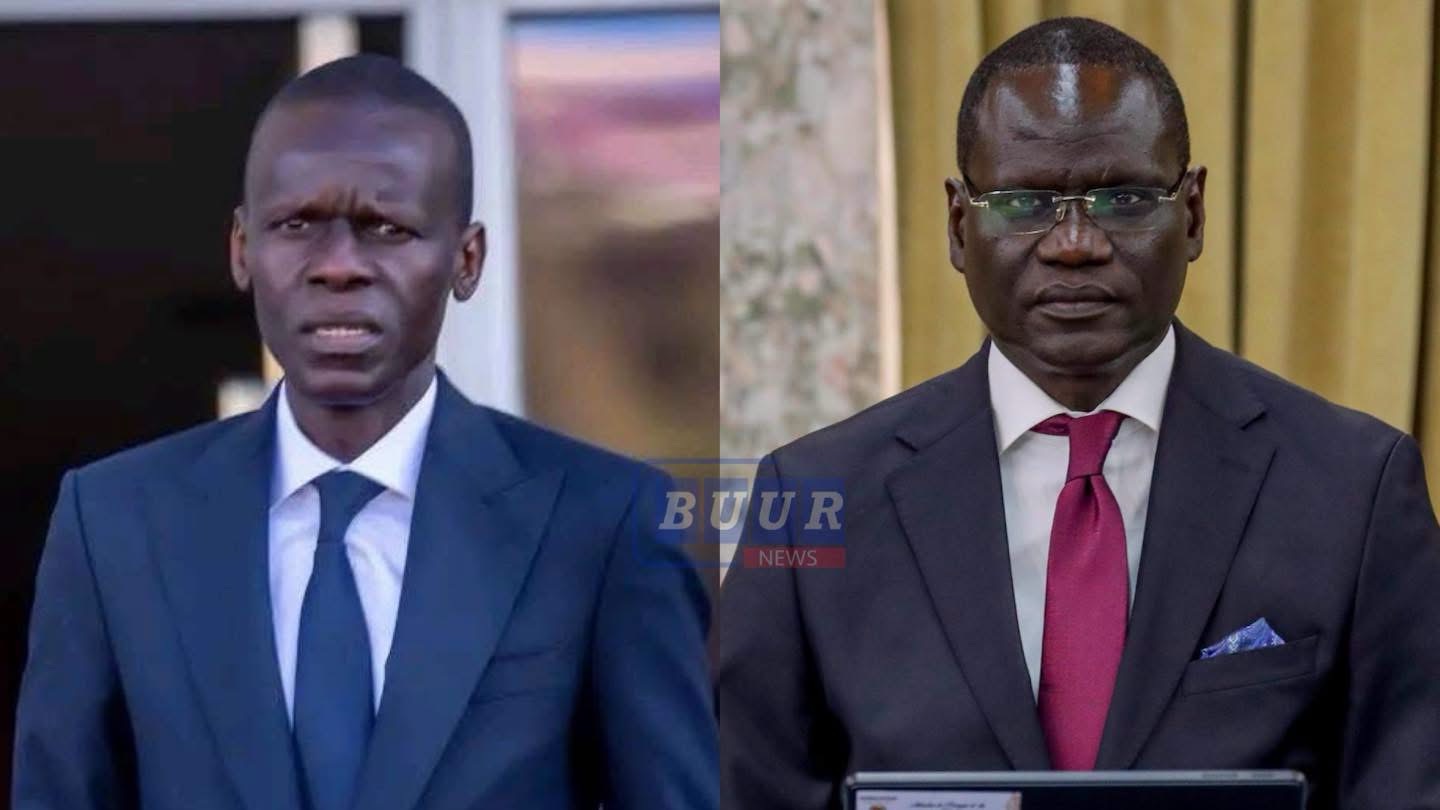
Waly Diouf Bodiang has strongly criticized Abdourahmane Diouf, accusing him of exploiting a position of power that he did not previously support. Bodiang specifically denounced this behavior as "parasitic opportunism," suggesting it is being employed in anticipation of upcoming elections. The criticism highlights a perceived lack of genuine commitment to the political cause or entity now being leveraged for personal or political gain. This accusation points to a potential strategy of opportunistically aligning with power structures just before electoral events, rather than through consistent advocacy or support.
This political commentary highlights a common dynamic in electoral politics where individuals may shift allegiances or leverage existing power structures for perceived advantage. The accusation of "parasitic opportunism" suggests a critique of perceived self-serving behavior rather than genuine ideological commitment. In the context of upcoming elections, such accusations can serve to question the legitimacy and motivations of political actors. Understanding these incentive structures is crucial for voters to discern between authentic representation and strategic maneuvering within the political landscape. The long-term implications involve the potential erosion of public trust if such opportunistic behavior becomes prevalent, impacting the integrity of democratic processes.
AI-generated to prompt reflection — not editorial opinion, not advice, not a statement of fact. How this works.