Warehouse Collapses in Russia After Ukrainian Drone Strikes; Dozens Dead and Injured
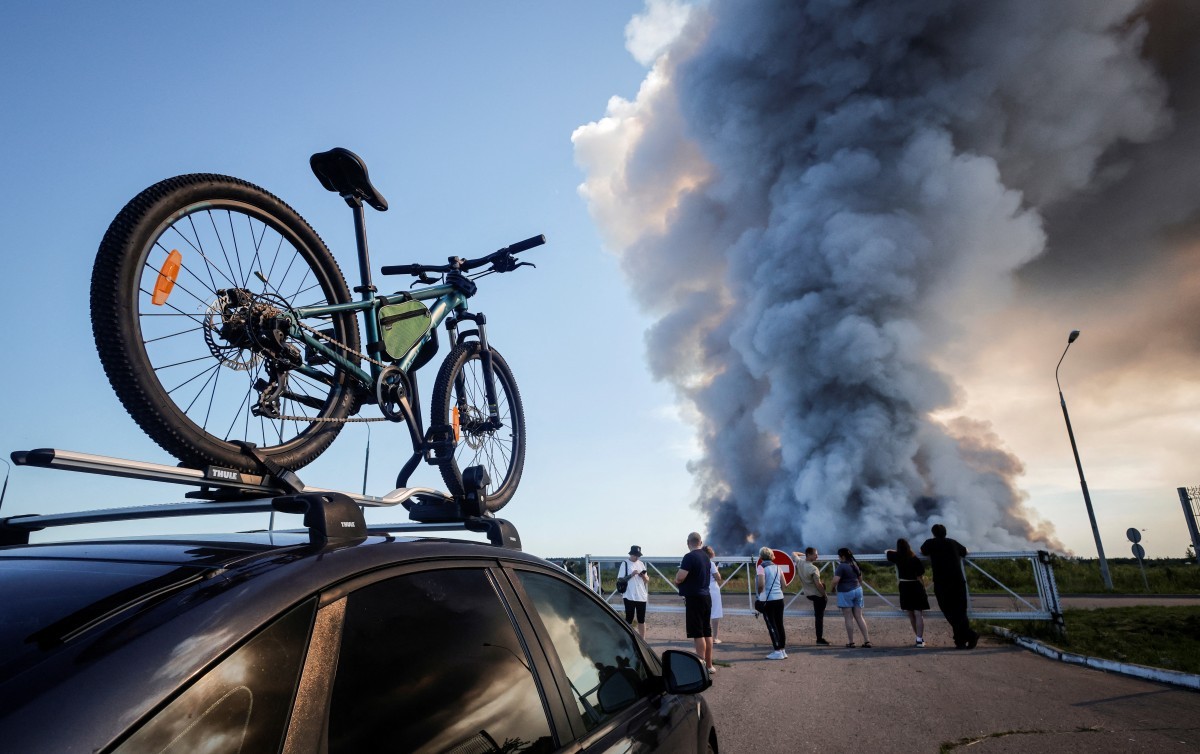
A massive Ukrainian drone attack on Saturday, July 18, 2026, targeted logistics centers and other facilities across Russia, resulting in significant casualties and damage. In Kotovsk, Tambov region, approximately 475 kilometers southeast of Moscow, a warehouse belonging to Wildberries, Russia's largest e-commerce company, collapsed after being hit by drones. Governor Evgueni Pervishov reported that seven night shift employees were killed at the scene, with an additional 24 to 25 people injured. He also stated that 28 drones were shot down before reaching their targets, suggesting the potential for higher civilian casualties if they had succeeded. Another Wildberries logistics center in Elektrostal, Moscow region, was also struck, with Governor Andrei Vorobyov confirming one fatality and 37 injuries from falling drone debris. Nearby in Noginsk, drone fragments ignited a fire at an oil depot, injuring two people and prompting the precautionary evacuation of a maternity hospital. Moscow Mayor Sergey Sobyanin reported that over 370 drones were launched towards the capital region, with 64 destroyed en route. Ukrainian President Volodymyr Zelensky confirmed the strikes, asserting that the targeted facilities supplied components for drone production and navigation equipment used by Russian forces. He also indicated that an oil-related facility was hit. These attacks are part of Ukraine's intensified long-range strikes against Russian strategic logistics and energy infrastructure, while Russian attacks on Ukraine on the same day reportedly caused at least one death and 13 injuries.
The reported Ukrainian drone strikes on Russian logistics and energy infrastructure highlight the evolving nature of the conflict, extending beyond direct front-line engagements. The targeting of e-commerce and oil facilities suggests a strategy aimed at disrupting Russia's economic capacity and war-sustaining resources. From a systemic perspective, such attacks compel a reassessment of critical infrastructure vulnerability and the efficacy of air defense systems. The dual use of facilities for civilian commerce and potential military supply chains presents a complex challenge for international humanitarian law and strategic targeting considerations. As both sides escalate their long-range capabilities, the potential for wider economic and civilian impact increases, underscoring the imperative for de-escalation mechanisms and robust cybersecurity measures to protect essential services in future conflicts.
AI-generated to prompt reflection — not editorial opinion, not advice, not a statement of fact. How this works.