Warehouse Operators Adopt Solar Power and Electric Vehicles for Greener Operations
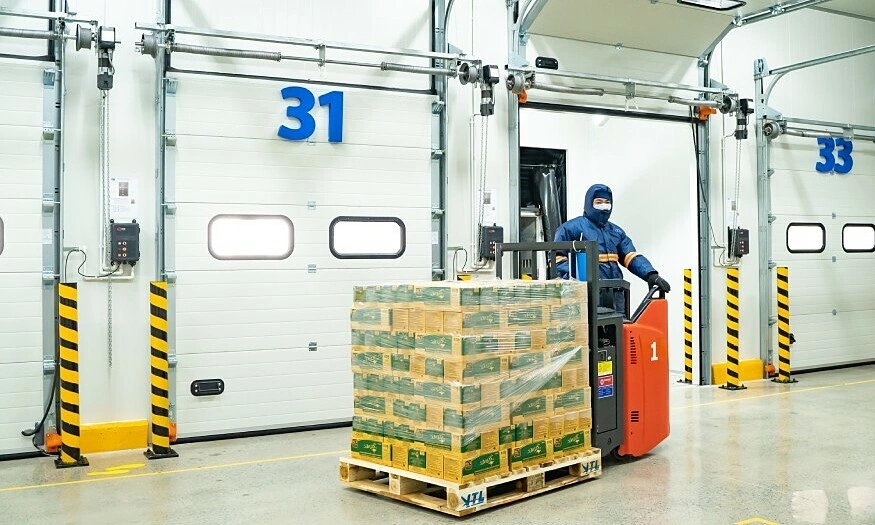
Numerous logistics warehouse developers are actively installing solar power systems and utilizing electric forklifts to meet environmental standards and reduce emissions. This shift is driven by the sustainability requirements of global corporations. By integrating renewable energy sources like solar panels, these operators aim to decrease their carbon footprint. The adoption of electric vehicles, specifically electric forklifts, further supports this goal by replacing traditional fossil fuel-powered equipment. These initiatives are crucial for aligning warehouse operations with the growing demand for environmentally responsible supply chains. The focus on 'greening' warehouse facilities reflects a broader trend in the logistics industry towards sustainability and corporate social responsibility. Companies are increasingly recognizing the importance of environmental, social, and governance (ESG) factors in their operations and partnerships. This proactive approach not only helps in meeting the stringent environmental criteria set by international clients but also enhances the overall efficiency and long-term viability of their businesses. The transition signifies a commitment to a more sustainable future within the logistics sector.
The integration of solar power and electric vehicles in logistics warehouses represents a strategic response to increasing pressure from global corporations for sustainable supply chains. This adoption is driven by a confluence of regulatory incentives, corporate ESG mandates, and the potential for long-term operational cost savings. From a systems perspective, this shift highlights the evolving economic viability of renewable energy and electric mobility solutions. The challenge lies in scaling these solutions effectively across a vast and diverse logistics infrastructure, ensuring grid stability with increased renewable energy input, and managing the lifecycle of new technologies like battery storage and electric vehicles. Future developments will likely focus on optimizing energy management systems within warehouses, exploring smart grid integration, and standardizing charging infrastructure to support a fully electrified fleet. This trend is indicative of a broader industrial transformation towards decarbonization, where operational efficiency and environmental stewardship become increasingly intertwined.
AI-generated to prompt reflection — not editorial opinion, not advice, not a statement of fact. How this works.