Warm Rivers Threaten French Nuclear Power Output Amid Heatwave
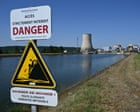
Unusually warm river temperatures and below-average rainfall across western and central Europe during June and the first half of July are impacting French nuclear power generation. Persistent high pressure has led to prolonged sunshine, suppressed rainfall, and increased evaporation, causing river levels to drop and water temperatures to rise. Several French nuclear power stations depend on these rivers for cooling their reactors. However, stringent French environmental regulations mandate that operators limit the amount of heat discharged back into waterways. Consequently, when river water temperatures exceed certain thresholds, electricity output from these nuclear plants may need to be reduced to comply with environmental protection measures. This situation highlights the vulnerability of energy infrastructure to climate-induced environmental changes.
The current heatwave and its impact on river temperatures present a recurring challenge for France's nuclear energy sector, which heavily relies on water cooling. This situation underscores the need for adaptive strategies within energy infrastructure planning to mitigate the effects of climate change. Future energy systems may require greater diversification of cooling methods or increased reliance on non-water-dependent energy sources to ensure grid stability during extreme weather events. Evaluating the long-term sustainability of current cooling practices against evolving climate projections is crucial for maintaining energy security and environmental compliance.
AI-generated to prompt reflection — not editorial opinion, not advice, not a statement of fact. How this works.