Warm weather returns to the Netherlands after a week of average temperatures
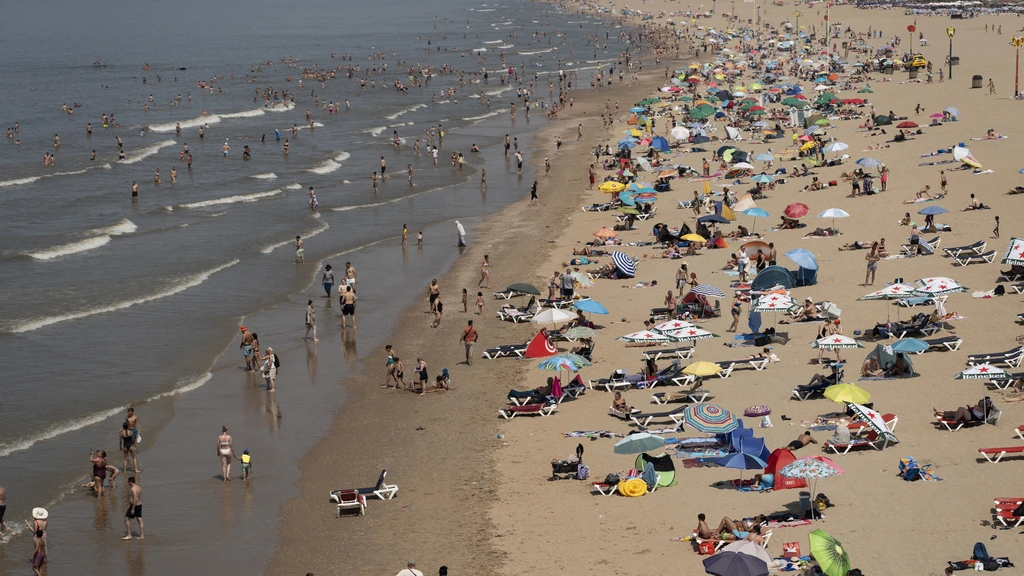
Following a week of moderate temperatures, the Netherlands is set to experience warm weather again. This past weekend saw significant temperature variations across the country, with the north experiencing thicker clouds and occasional rain as the summer holiday began. In contrast, the south enjoyed dry conditions with more sunshine and temperatures ranging from 25 to 27 degrees Celsius. Despite a noticeable sea breeze, high humidity made the air feel anything but fresh, especially when the sun broke through the clouds. These weekend temperatures were typical for early July. The north-south weather division is expected to persist into Monday and Tuesday, though precipitation chances will decrease, likely resulting in dry conditions for most areas. By Tuesday, the sun is forecast to appear more consistently in the north. This difference in sunshine will lead to a considerable temperature gap, with the Wadden area reaching 19 degrees and Limburg hitting 27 to 29 degrees. Starting Wednesday, dry and sunny weather is predicted nationwide as warm air from Southwestern Europe approaches. This heatwave has already caused temperatures exceeding 40 degrees Celsius in the Spain-Portugal border region, contributing to wildfires in Portugal, Greece, Spain, and France, which were also witnessed by Dutch tourists. While the exact northern reach of this heat is uncertain, central and southern Netherlands have the highest probability of experiencing tropical heat, with temperatures potentially surpassing 30 degrees, while the north faces a lower chance. Long-term forecasts suggest a gradual dissipation of the heat, possibly accompanied by thunderstorms during the transition.
The approaching heatwave, originating from Southwestern Europe and contributing to significant wildfires in southern regions, presents a recurring challenge for European climate resilience. While the Netherlands anticipates a return to warmer conditions, the differential impact across the country highlights localized microclimates and atmospheric patterns. The potential for temperatures exceeding 30 degrees Celsius in some areas, juxtaposed with cooler northern regions, underscores the complex interplay of geographical factors and large-scale weather systems. As such heat events become more frequent and intense due to climate change, understanding and adapting to these regional variations will be crucial for public health, infrastructure, and resource management in the coming decade. The long-term forecast of heat dissipation potentially involving thunderstorms also points to the volatile nature of weather transitions in a warming climate.
AI-generated to prompt reflection — not editorial opinion, not advice, not a statement of fact. How this works.