Warming Ligurian Sea Sees New Fish Species Arrive from Suez Canal
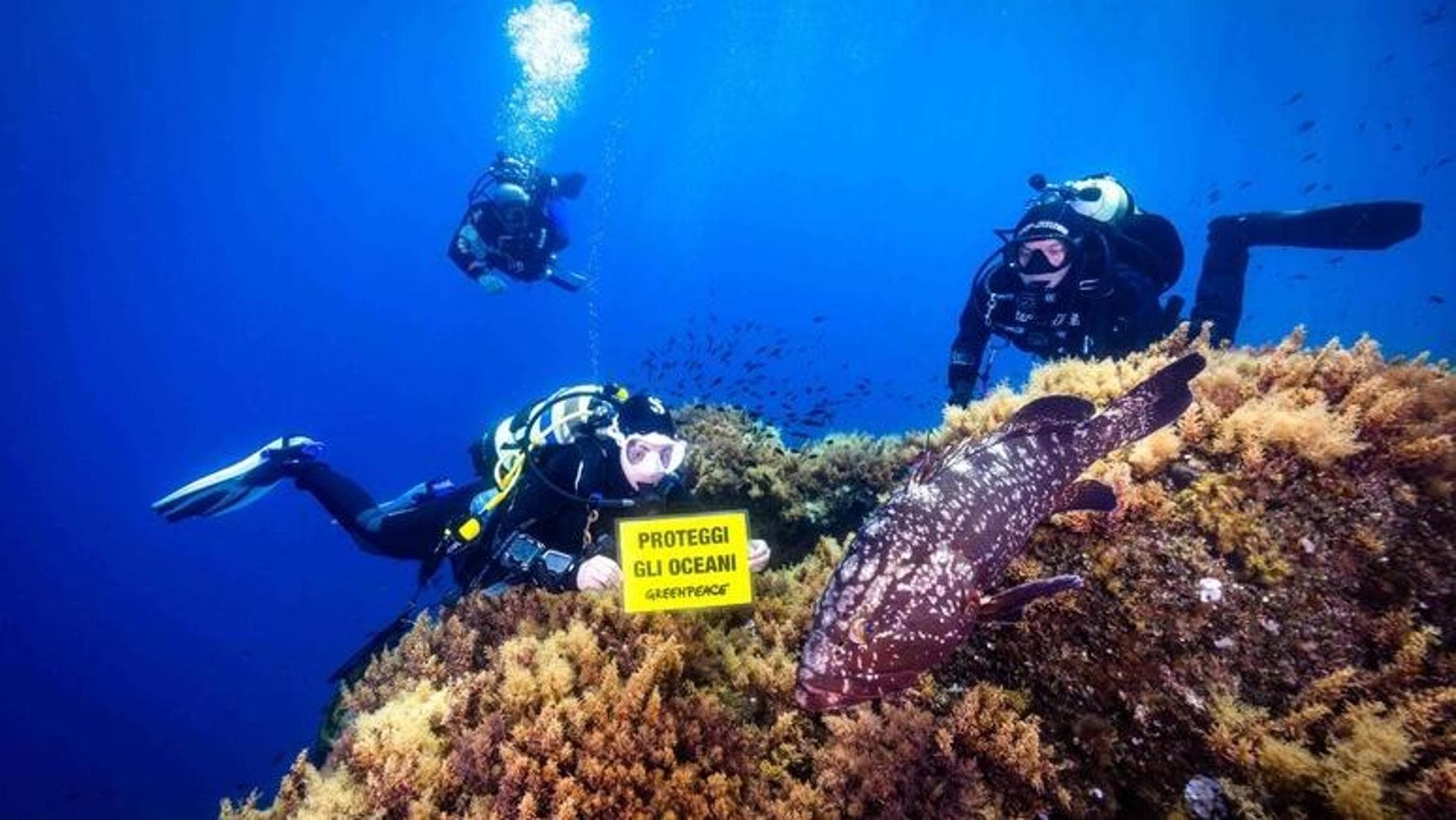
The Ligurian Sea is experiencing significantly warmer surface temperatures, with readings three degrees Celsius above the historical average. This warming trend is facilitating the arrival of new fish species, which are migrating from the Red Sea via the Suez Canal. Concurrently, marine ecosystems are showing signs of stress, including a growing die-off of gorgonians, corals, and mollusks. These events highlight the profound impact of climate change on marine biodiversity and ecosystem health in the Mediterranean. The influx of non-native species, often referred to as Lessepsian migrants, can disrupt local food webs and compete with indigenous marine life. The observed mortality of sessile invertebrates like gorgonians and corals indicates a severe environmental challenge, as these organisms are particularly sensitive to changes in water temperature and chemistry. Scientists are closely monitoring these developments to understand the long-term consequences for the Ligurian Sea's marine environment. The situation underscores the urgent need for global action to mitigate climate change and protect vulnerable marine habitats.
The warming of the Ligurian Sea, evidenced by temperatures three degrees Celsius above average, is altering its ecological landscape. This phenomenon, amplified by the Suez Canal's role as a conduit for species migration, presents a complex challenge. The arrival of new species and the increasing mortality of native marine life, such as gorgonians and corals, indicate a significant ecosystem shift. This situation prompts consideration of how climate change impacts biodiversity and the resilience of marine environments. Future management strategies will need to balance the economic and ecological implications of these changes, potentially requiring adaptive conservation efforts and a reassessment of marine resource utilization in the face of evolving environmental conditions.
AI-generated to prompt reflection — not editorial opinion, not advice, not a statement of fact. How this works.