Warming Planet Intensifies Impact of Invasive Fish on Aquatic Ecosystems
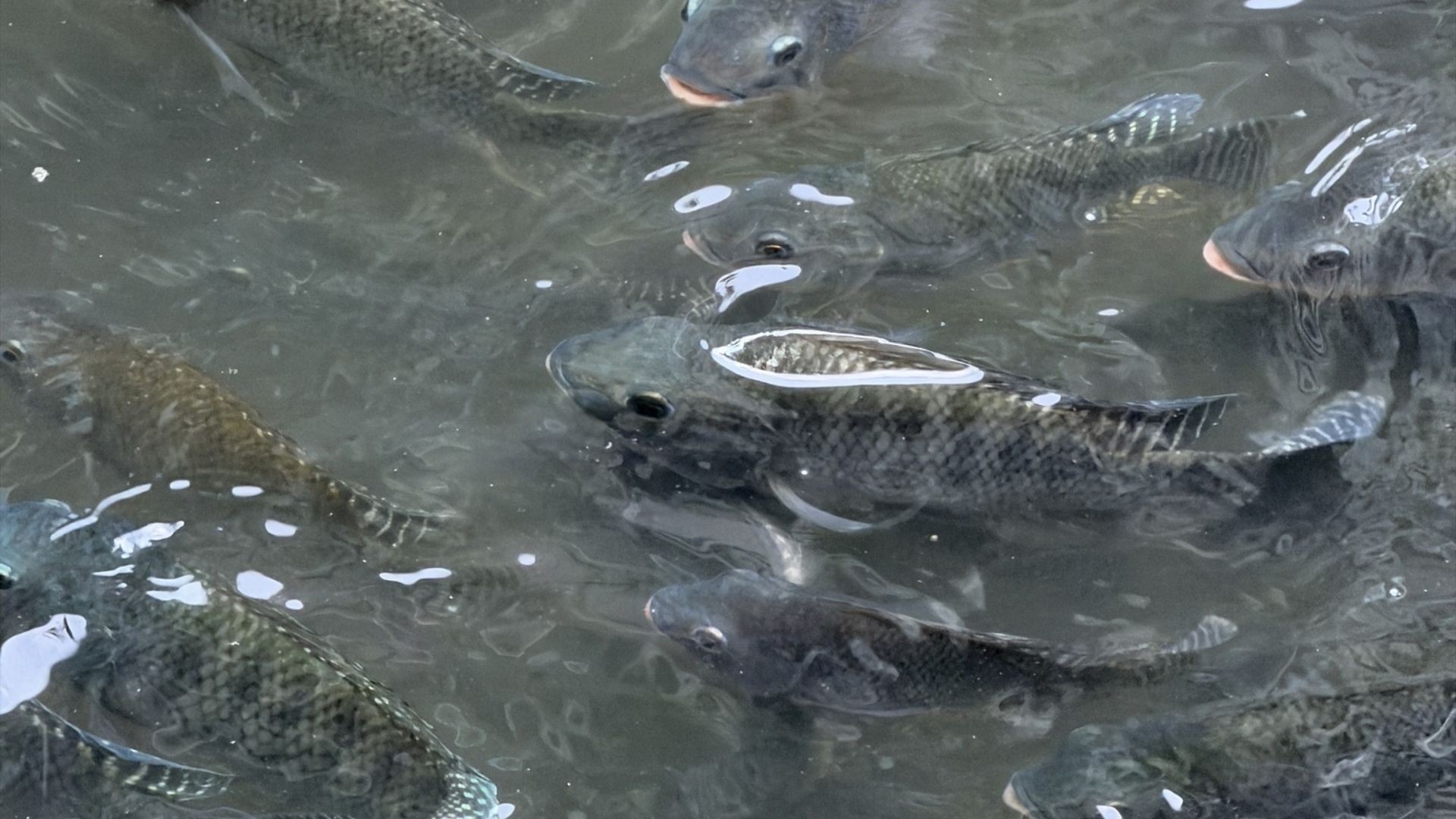
A new study published in Global Change Biology reveals that invasive fish species are significantly altering aquatic ecosystems worldwide, with their impacts expected to intensify due to global warming. The research, led by the Federal University of São Carlos (UFSCar) in Brazil, analyzed data from 636,980 fish across 667 communities in 402 lakes in Brazil, Canada, France, and Spain. Invasive species disrupt the size structure of fish populations and reduce the biomass of native species, thereby modifying fundamental ecological processes. This research enhances the ability to anticipate the effects of biological invasions on freshwater communities and the ecosystem services they provide under global change scenarios. The study examined 404 fish species between 2001 and 2024, assessing how native and non-native species coexist under varying invasion levels. Findings indicate that greater presence of invasive species leads to greater alterations in aquatic communities, affecting energy flow within ecosystems. Invasive fish occupy diverse ecological roles and can profoundly reorganize communities through predation, competition for resources, and indirect habitat modifications. A key finding is that the impact of invasions is temperature-dependent. In warmer lakes, predatory invasive fish exert greater pressure on smaller, juvenile native fish due to increased metabolic demand and feeding activity. Conversely, in colder environments, invasive species at lower trophic levels compete more intensely for resources, significantly reducing the biomass of native species. The study concludes that biological invasions and climate change can act synergistically, amplifying threats to aquatic biodiversity. Understanding the interaction between temperature and invasive species is crucial for predicting climate change impacts on freshwater communities. Conservation and management strategies must consider not only the presence of invasive species but also their trophic level and regional climatic conditions. The research was conducted by Barbbara Silva Rocha of UFSCar, supervised by Professor Victor Satoru Saito, with international collaborators.
This study highlights a critical feedback loop where climate change exacerbates the ecological disruption caused by invasive species in freshwater systems. The differential impacts observed across temperature gradients suggest that warming trends may disproportionately empower certain invasive predators, leading to cascading effects on native populations and ecosystem functions. Future conservation efforts will need to integrate climate projections with invasion risk assessments, moving beyond simple species identification to a more nuanced understanding of trophic interactions and metabolic responses. The findings underscore the complex, interconnected challenges facing aquatic biodiversity management in an era of rapid environmental change, necessitating adaptive strategies that account for both direct species impacts and broader climatic shifts.
AI-generated to prompt reflection — not editorial opinion, not advice, not a statement of fact. How this works.