Warner Bros. Developing "Free Willy" Reboot, Reports Indicate
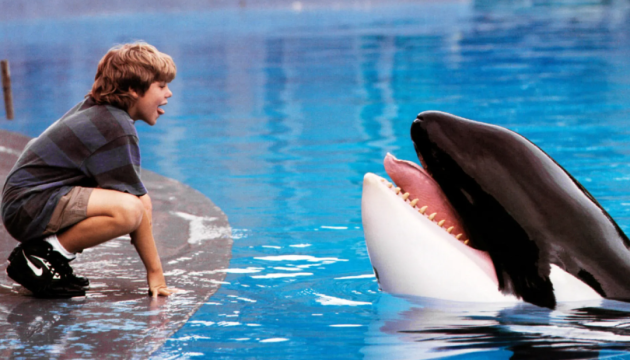
American film and television conglomerate Warner Bros. is reportedly working on a reboot of the beloved family adventure film "Free Willy." The original "Free Willy" was released in 1993 and became a significant commercial and critical success, centering on the friendship between a young boy and an orca whale. The film spawned several sequels and a television series, solidifying its place in popular culture. Details regarding the plot, cast, or director for the new "Free Willy" project have not yet been disclosed by Warner Bros. The studio has not officially confirmed the development, but the news has generated considerable interest among fans of the original movie. This move by Warner Bros. aligns with a broader trend in Hollywood of reviving and reimagining classic films for new audiences. The success of such reboots often depends on balancing nostalgia with fresh storytelling to appeal to both older and younger demographics. Further information is expected to emerge as the project progresses.
The reported reboot of "Free Willy" by Warner Bros. reflects a common industry strategy of leveraging established intellectual property to mitigate the financial risks associated with new film production. This approach taps into existing brand recognition and audience familiarity, potentially reducing marketing costs and increasing the likelihood of a positive box office reception. However, such reboots face the challenge of satisfying both long-time fans who cherish the original and newer audiences seeking contemporary relevance. The success of this project will likely hinge on Warner Bros.' ability to update the narrative and themes to resonate with current societal values and technological advancements, while retaining the core emotional appeal that made the original film a success. The studio must carefully consider the ethical implications and potential environmental messaging in a modern context, balancing commercial imperatives with responsible storytelling.
AI-generated to prompt reflection — not editorial opinion, not advice, not a statement of fact. How this works.