Warning Issued Over Dangerous Stunts Like the 'Blackout Challenge'
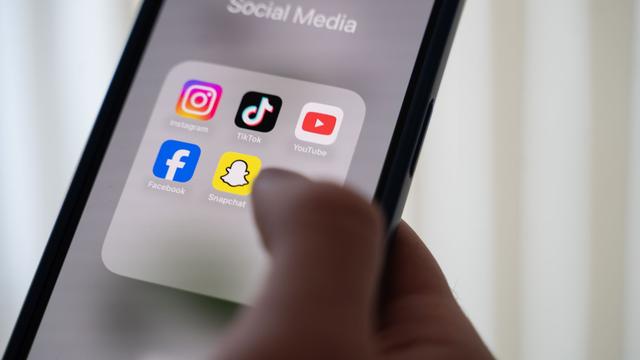
Authorities are issuing a stern warning about dangerous stunts, particularly the 'Blackout Challenge,' which can lead to unconsciousness. This challenge involves individuals intentionally restricting their breathing until they pass out. The practice has gained notoriety and is spreading, raising serious concerns among educators, parents, and health professionals.
The 'Blackout Challenge' is a form of dangerous dare that poses significant risks, including potential brain damage and even death. Experts emphasize that the allure of social media validation and peer pressure can drive young people to engage in such perilous activities. They urge parents and guardians to have open conversations with their children about the dangers of online trends and the importance of critical thinking when encountering them.
Schools are also being advised to educate students about the risks associated with these challenges. The goal is to foster an environment where students feel empowered to refuse participation and report dangerous trends they witness. The warning serves as a critical reminder of the need for increased awareness and proactive measures to protect vulnerable individuals from harm.
The proliferation of 'Blackout Challenge' type stunts highlights a critical intersection of adolescent psychology, social media dynamics, and the pursuit of online validation. The inherent risks, including hypoxia-induced neurological damage or fatality, are often underestimated by participants driven by peer influence and the perceived reward of viral attention. Educational institutions and parental guidance are essential in cultivating media literacy and critical thinking skills to counteract the persuasive power of trending, albeit dangerous, online content. Future interventions may need to address the algorithmic amplification of harmful trends and explore platform-level responsibilities in mitigating such risks to young users.
AI-generated to prompt reflection — not editorial opinion, not advice, not a statement of fact. How this works.