Warning Strike Disrupts Haribo's Main Factory in Bonn Amid Wage Negotiations
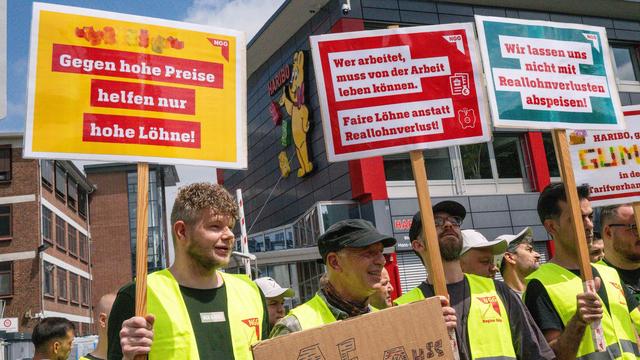
A warning strike has significantly impacted Haribo's main factory located in Bonn, Germany, as part of ongoing collective bargaining negotiations. The industrial action, initiated by union members, aims to pressure the confectionery company into agreeing to the union's demands regarding wages and working conditions. The strike has led to disruptions in production at the Bonn plant, which is considered the company's primary manufacturing site. Details regarding the specific demands of the union, such as the percentage increase in wages or other benefits, have not been fully disclosed in the initial reports. The duration of the warning strike is also unclear, but such actions are typically short-term measures intended to signal the seriousness of the union's position. Haribo has not yet released an official statement detailing the extent of the production losses or its response to the strike. The situation highlights the ongoing tensions between labor unions and management in Germany concerning fair compensation and employee rights in the current economic climate. Further negotiations are expected to take place in the coming days, with both sides aiming to reach a mutually agreeable resolution to avoid prolonged industrial disputes.
The warning strike at Haribo's Bonn facility underscores the persistent tension between corporate profitability and labor demands for equitable compensation, a dynamic amplified by current economic pressures. Such industrial actions, while disruptive, serve as a critical mechanism for employees to assert leverage in wage negotiations, reflecting broader trends in labor relations across Germany and globally. The effectiveness of this strike will likely hinge on the union's ability to sustain pressure and Haribo's willingness to negotiate beyond initial positions, considering the potential impact on brand reputation and market share. Looking ahead, companies like Haribo will need to increasingly balance traditional manufacturing costs with evolving employee expectations and the broader societal emphasis on fair labor practices in an increasingly competitive global market.
AI-generated to prompt reflection — not editorial opinion, not advice, not a statement of fact. How this works.