Warning Strikes Announced Again in German Retail and Wholesale Sectors
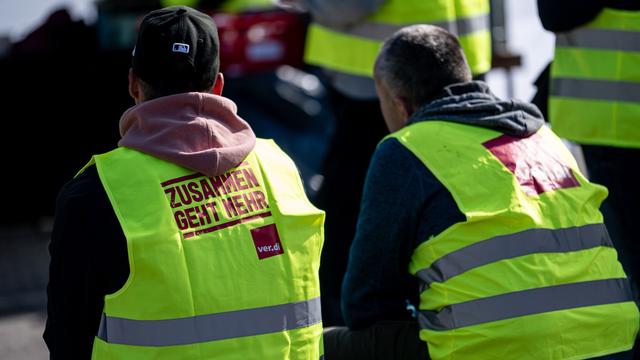
Employees in Germany's retail and wholesale sectors are preparing for further warning strikes. The announcement signals a continuation of ongoing labor disputes within the industry. These actions are part of broader efforts by unions to negotiate improved terms for workers. The specific demands and duration of the upcoming strikes have not yet been fully detailed, but they are expected to cause disruptions to services and supply chains. Previous rounds of industrial action have already highlighted the tensions between employers and employees regarding wages, working conditions, and collective bargaining agreements. Unions are pushing for significant concessions from employers, citing rising inflation and the essential nature of the work performed by retail and wholesale staff. The situation remains fluid as negotiations continue, with the potential for further escalation if a resolution is not reached soon. The retail and wholesale sectors are critical to the German economy, and prolonged industrial action could have substantial economic repercussions. Both sides are under pressure to find common ground to avoid prolonged disruptions.
The recurring warning strikes in Germany's retail and wholesale sectors underscore a persistent misalignment between labor demands and employer offerings. These industrial actions reflect underlying economic pressures, such as inflation, impacting workers' purchasing power and the perceived fairness of compensation. From a systemic perspective, the disputes highlight the challenge of balancing business competitiveness with fair labor practices in a vital economic sector. The ongoing negotiations will test the resilience of collective bargaining frameworks and may influence future labor relations strategies. As these sectors adapt to evolving consumer behaviors and technological advancements, the negotiation outcomes could shape the long-term stability and attractiveness of employment within retail and wholesale industries, potentially impacting workforce retention and recruitment in the coming decade.
AI-generated to prompt reflection — not editorial opinion, not advice, not a statement of fact. How this works.