Warning Strikes at University Hospitals Amid Stalled Wage Negotiations
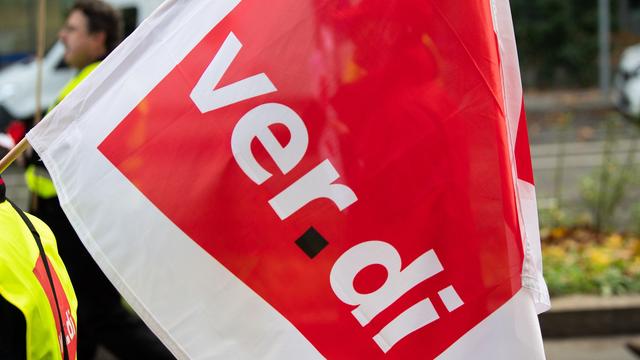
Warning strikes have erupted at university hospitals across Germany as wage negotiations between the Marburger Bund medical association and the state-owned hospital operator (TdL) have reached an impasse. The strikes, which began on Tuesday, are affecting numerous university clinics nationwide. The Marburger Bund is demanding a 7.5% wage increase for approximately 120,000 doctors, along with improved working conditions. They are also seeking a reduction in the working hours for junior doctors. The TdL, representing the employers, has stated that their offer is the best possible under current financial constraints. Negotiations have been ongoing for several weeks, with no significant progress reported in bridging the gap between the demands and the offer. The union has warned that further escalation, including indefinite strikes, is possible if no substantial movement is made by the employers. Patients are advised to check with their respective hospitals regarding potential disruptions to appointments and treatments.
The current wage dispute at German university hospitals highlights a recurring tension between healthcare worker demands for improved compensation and working conditions, and the financial realities faced by public healthcare providers. The Marburger Bund's push for a significant wage hike and reduced hours for junior doctors reflects broader concerns about physician burnout and retention within the public sector. The TdL's stance, emphasizing financial limitations, points to the systemic challenges of funding public healthcare in an era of rising costs and demographic pressures. Looking ahead, the sustainability of the public healthcare system may depend on finding innovative funding models and governance structures that can balance the need for competitive compensation for medical professionals with fiscal responsibility, especially as the demand for healthcare services continues to grow.
AI-generated to prompt reflection — not editorial opinion, not advice, not a statement of fact. How this works.