Warning Strikes Disrupt German University Hospitals Amid Wage Dispute
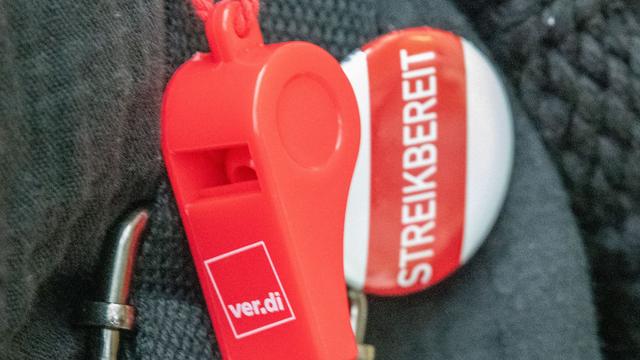
Warning strikes have been initiated at university hospitals across Germany as a result of an ongoing wage dispute. The industrial action is expected to cause significant disruptions and delays for patients seeking medical care. The exact duration and scope of the strikes were not specified, but the immediate impact is anticipated to be felt by those with scheduled appointments and non-emergency procedures.
Negotiations between hospital employers and the union representing healthcare workers have reportedly stalled, leading to the current escalation. The union is demanding higher wages and improved working conditions, citing increased workloads and inflation. Hospital representatives have expressed concerns about the financial strain of meeting the union's demands, particularly in the current economic climate.
Patients are being advised to contact their respective hospitals for information regarding appointment status and potential rescheduling. The warning strikes are intended to pressure employers to return to the negotiating table with a more favorable offer. The situation highlights the ongoing challenges in the healthcare sector regarding staffing, compensation, and the provision of consistent patient care.
The warning strikes at German university hospitals underscore the persistent tension between labor costs and operational capacity within public healthcare systems. As healthcare demands increase and inflation erodes real wages, unions are leveraging collective action to secure better compensation and working conditions. This dispute reflects a broader systemic challenge: balancing the need for highly skilled healthcare professionals with the financial constraints of public institutions. The immediate consequence is patient inconvenience, but the long-term implications involve the sustainability of the healthcare workforce and the quality of care. Future negotiations will likely need to consider innovative funding models or efficiency improvements to bridge the gap between employee expectations and employer affordability, especially in the context of an aging population and evolving medical technologies.
AI-generated to prompt reflection — not editorial opinion, not advice, not a statement of fact. How this works.