Warren Buffett Halts Donations to Bill Gates Foundation Amid Epstein Controversy
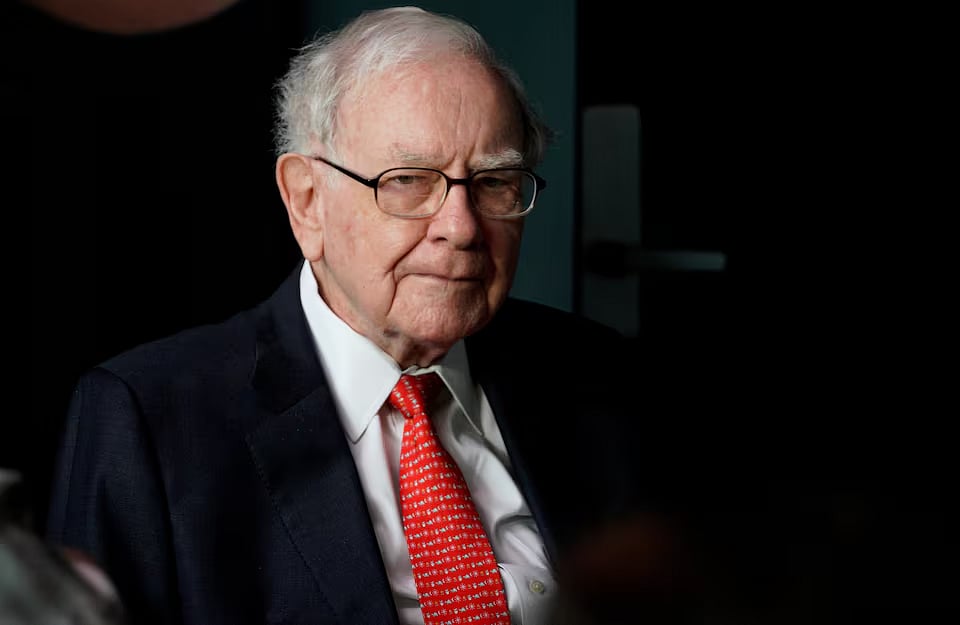
Warren Buffett has stopped donating to the Bill & Melinda Gates Foundation following the controversy surrounding Jeffrey Epstein. Over two decades, Buffett had contributed a substantial $47 billion to the foundation. This decision marks a significant shift in his long-standing philanthropic support for the organization. The foundation, co-founded by Bill Gates and Melinda French Gates, has been a major player in global health and poverty reduction efforts. The connection to Epstein, a convicted sex offender, has cast a shadow over the foundation's reputation. Buffett's move signals a potential re-evaluation of his philanthropic partnerships in light of ethical concerns. The full implications of this withdrawal on the foundation's future funding and operations remain to be seen. This development raises questions about donor due diligence and the ethical considerations in large-scale philanthropy.
Warren Buffett's decision to halt donations to the Bill & Melinda Gates Foundation, citing the Jeffrey Epstein controversy, highlights the increasing importance of reputational risk management in philanthropy. As major foundations become more intertwined with public discourse, donors face pressure to align their giving with perceived ethical standards. This situation underscores the complex governance challenges faced by large charitable organizations, where the actions of associates or past connections can have significant financial repercussions. Future philanthropic models may need to incorporate more robust vetting processes to mitigate such risks, ensuring that funding streams remain insulated from external controversies and maintain public trust. The long-term impact on the foundation's mission will depend on its ability to navigate these ethical considerations while continuing its vital work.
AI-generated to prompt reflection — not editorial opinion, not advice, not a statement of fact. How this works.