Washington D.C. Bans Surveillance Pricing and Caps Resale for Concert Tickets
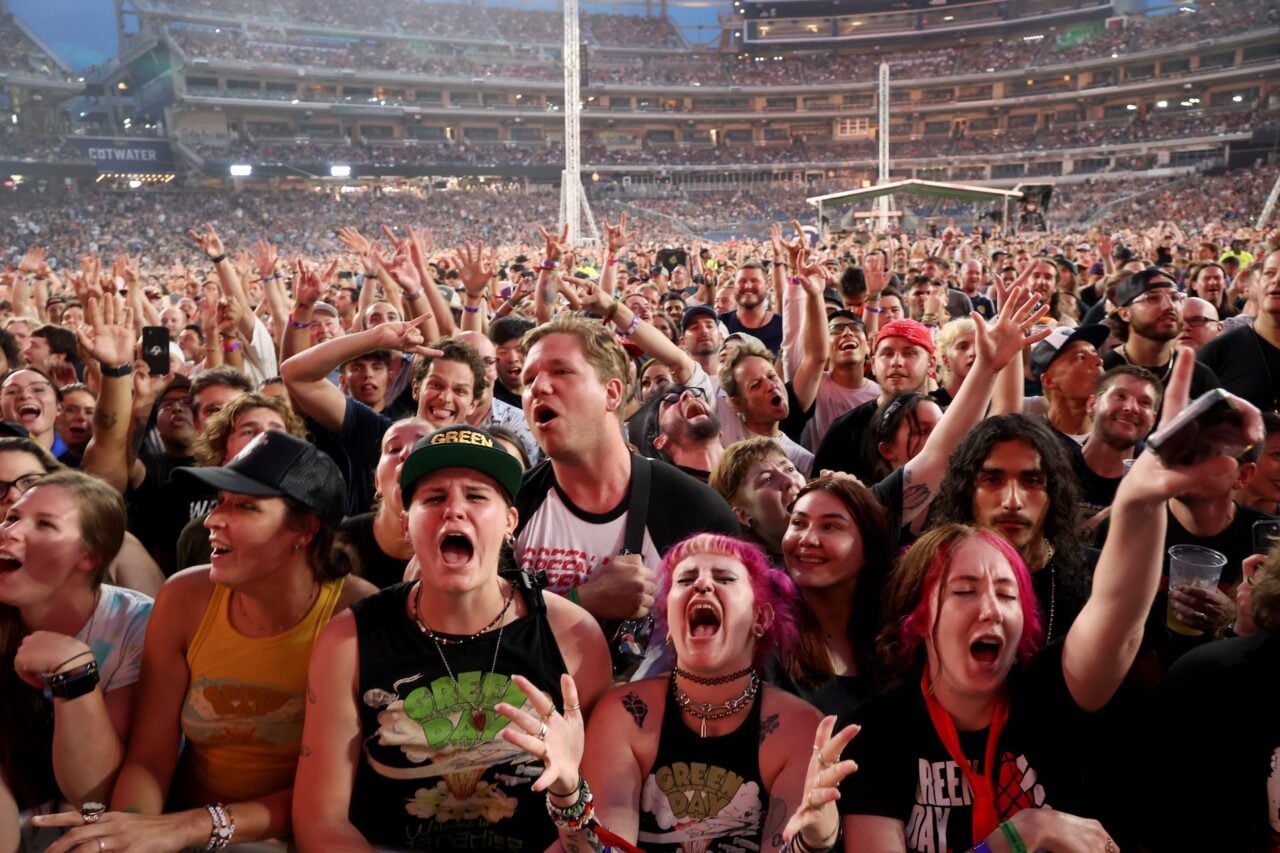
Washington D.C. has passed a new bill aimed at regulating the sale of concert tickets. The legislation specifically prohibits "surveillance pricing," a practice where ticket prices are dynamically adjusted based on real-time demand and consumer data. This measure seeks to prevent price gouging and make tickets more accessible to the general public. Additionally, the bill imposes caps on the resale prices of tickets. This means that resellers will not be allowed to sell tickets for more than a predetermined maximum amount above the original face value. The new law also includes provisions to prevent resellers from using technological tools to bypass established limits on ticket purchases. This aims to curb the practice of scalping and ensure fairer access for genuine fans. The bill's passage marks a significant intervention in the ticketing market, addressing concerns over transparency and affordability.
The D.C. bill addresses market inefficiencies in the live event ticketing sector, where dynamic pricing and resale markets can create significant price disparities. By banning surveillance pricing and capping resale, lawmakers are attempting to rebalance consumer access against the profit motives of resellers and potentially primary sellers. This regulatory approach may shift the economic incentives within the ticketing ecosystem, potentially impacting the revenue streams for artists, venues, and platforms. Future considerations might include the long-term effects on ticket availability, the potential for secondary markets to adapt or move to less regulated platforms, and whether such legislation sets a precedent for other jurisdictions or industries facing similar pricing challenges.
AI-generated to prompt reflection — not editorial opinion, not advice, not a statement of fact. How this works.