Washington State Faces Lingering Poor Air Quality from Wildfires Despite Improved Fire Conditions
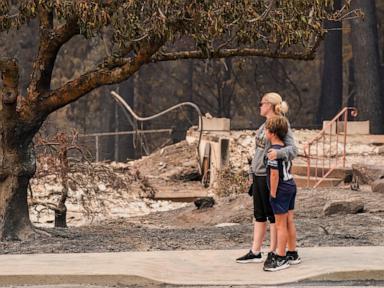
Despite significant improvements in fire weather conditions across the Pacific Northwest, Washington state is expected to continue experiencing poor air quality. This persistent issue is attributed to the widespread wildfire smoke that blankets the region. Residents are advised to remain aware of the ongoing air quality alerts. The situation highlights the long-term impact of wildfires, even after the immediate fire threat has diminished. The smoke's trajectory and concentration will dictate the severity and duration of the air quality advisories. Authorities are monitoring the situation closely and providing updates as necessary. This ongoing air quality concern underscores the broader environmental challenges posed by large-scale wildfires in the area. The public health implications of prolonged exposure to smoke remain a significant consideration for local officials and residents alike.
The persistence of poor air quality following wildfires, even as fire conditions abate, illustrates a critical environmental externality. Smoke plumes can travel vast distances, impacting air quality far beyond the immediate fire zones. This phenomenon underscores the need for robust regional air quality monitoring and public health advisories that account for the extended atmospheric transport of pollutants. Future wildfire management strategies may need to incorporate not only suppression tactics but also proactive measures to mitigate the downstream health and environmental consequences of smoke, potentially involving cross-border cooperation and advanced atmospheric modeling.
AI-generated to prompt reflection — not editorial opinion, not advice, not a statement of fact. How this works.
