Washington Wildfires Destroy Hundreds of Homes, Force 60,000 Evacuations
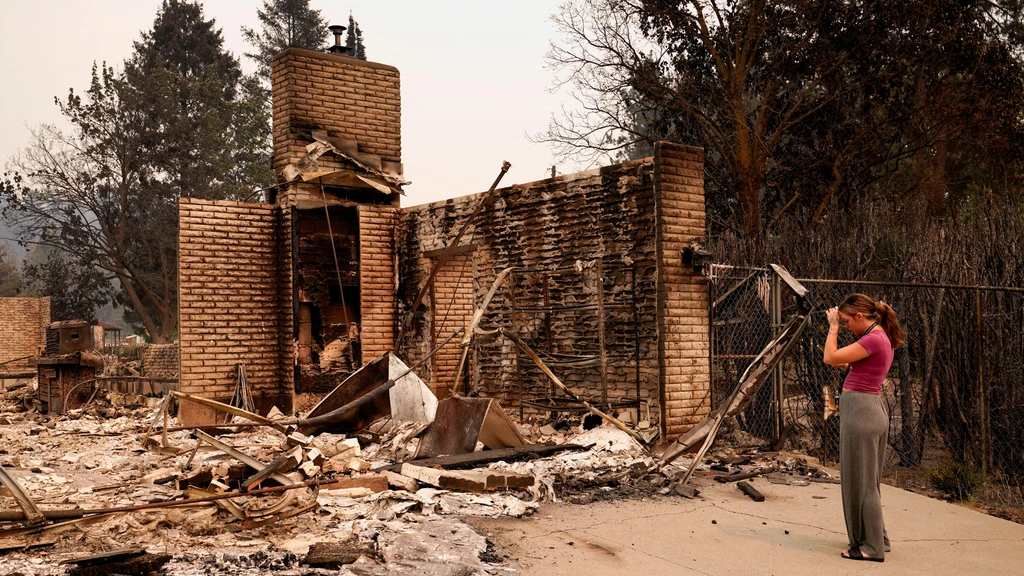
Wildfires in the U.S. state of Washington have resulted in the destruction of at least 600 buildings and forced approximately 60,000 people to evacuate their homes. Local authorities in the western United States have reported no injuries or missing persons related to the fires. The blazes are concentrated in Spokane County, a region with nearly 600,000 residents, where a state of emergency was declared over the weekend. The cause of the fires remains undetermined. Images from the Spokane area depict homes reduced to rubble, with only chimneys standing, and thick plumes of black smoke rising near residential areas. Officials anticipate the challenges will persist due to ongoing dry conditions. Senator Cantwell stated at a press conference in Spokane that the region is "not out of danger yet" and that the "coming days will be challenging." The difficult terrain, characterized by hilly areas and steep slopes, is complicating firefighting efforts, according to Cossel, a spokesperson for the California incident management team. Elsewhere in the U.S., wildfires are also active. In Idaho and Oregon, firefighters have been battling a blaze for ten days that has already consumed nearly 136,000 acres. Another wildfire in central Utah has significantly expanded this weekend, growing from 4,100 to 14,500 acres and impacting livestock, with over a hundred animals reported killed.
The extensive destruction caused by the Washington wildfires, alongside concurrent large-scale fires in Idaho, Oregon, and Utah, highlights the increasing vulnerability of western U.S. communities to extreme weather events. This pattern suggests a confluence of factors, including prolonged drought conditions exacerbated by climate change, and potentially inadequate land management practices that allow fuel to accumulate. The significant number of homes destroyed and evacuations underscores the critical need for enhanced wildfire preparedness, including improved early warning systems, community resilience planning, and potentially re-evaluating development in high-risk fire zones. As these events become more frequent and severe, the economic and social costs will continue to escalate, prompting a re-examination of long-term strategies for mitigating wildfire impacts and adapting to a changing climate.
AI-generated to prompt reflection — not editorial opinion, not advice, not a statement of fact. How this works.
