Washington Wildfires Destroy Over 600 Structures, Prompting 5,000 Home Evacuations
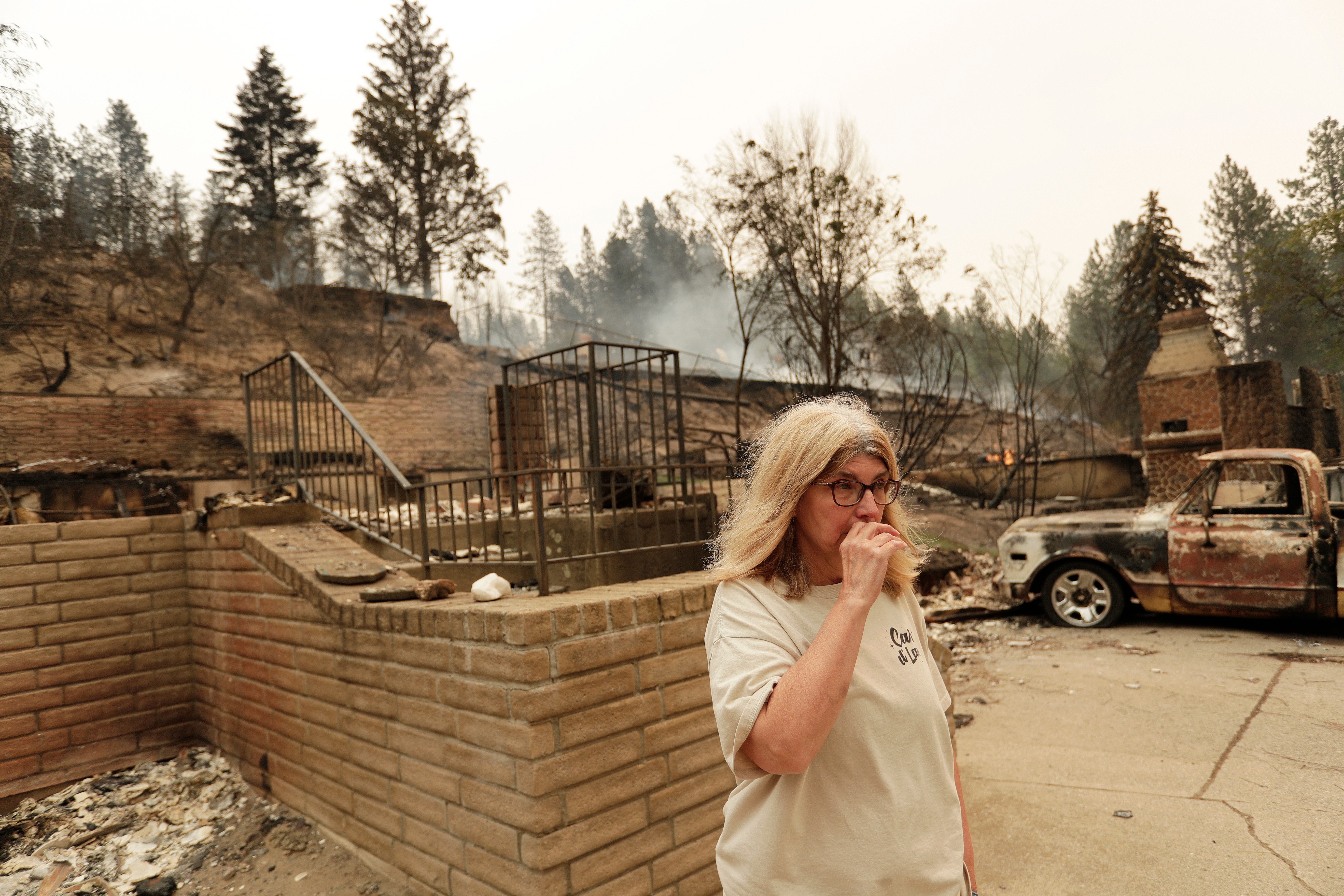
Wildfires in eastern Washington state have destroyed more than 600 homes, businesses, and other structures, forcing the evacuation of approximately 5,000 residences on Sunday, August 2nd. The most significant blazes are concentrated around Spokane, the state's second-largest city, where flames have consumed over 21 square kilometers. These fires are part of a larger wave of wildfires affecting the western United States, drawing resources from multiple government levels. Fortunately, no fatalities have been reported in the Spokane area thus far.
Challenging weather conditions, including expected wind gusts between 56 km/h and 72 km/h, are hindering firefighting efforts. Governor Bob Ferguson declared a state of emergency on Saturday, August 1st, as three major fires—Old Trails, Fairview, and Meadowview—pose a significant threat. The geography of Spokane, bisected by its river and surrounded by steep canyons, exacerbates wind speeds and fire spread. Authorities have established a shelter at the city's convention center for displaced residents.
Elsewhere in the Pacific Northwest, other large fires persist. One fire approximately 129 kilometers from Spokane has burned about 544 square kilometers, while another in Oregon's Stinkingwater Mountains has consumed around 870 square kilometers. In Idaho and Oregon, a fire nearing its tenth day has scorched 1,360 square kilometers of rangeland, threatening over 600 homes and 800 other structures. The National Weather Service has issued air quality alerts due to smoke and warnings for high fire risk and extreme heat in several western states.
The confluence of high winds, dry conditions, and specific regional geography in Washington and surrounding states creates a volatile environment for wildfires. This event highlights the increasing vulnerability of populated areas to extreme weather events, exacerbated by climate shifts and land-use patterns. The scale of destruction and evacuation underscores the need for robust, multi-jurisdictional emergency response frameworks and potentially revised land-use planning in fire-prone zones. Future investments in early detection, predictive modeling, and resilient infrastructure will be critical to mitigating the impact of such events in the coming decade, as the frequency and intensity of wildfires are projected to rise.
AI-generated to prompt reflection — not editorial opinion, not advice, not a statement of fact. How this works.