Waste Management Failure Cited as Landfill Fire Erupts in Jatiwaringin
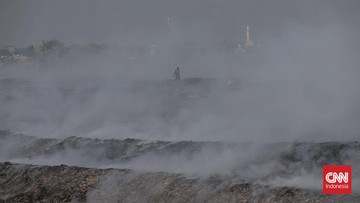
The Indonesian Forum for the Environment (Walhi) has declared that the recent fire at the Jatiwaringin landfill is a direct consequence of failed waste management practices. This incident highlights the critical shortcomings in how waste is being handled, leading to significant environmental and health concerns. The fire has reportedly caused respiratory illnesses, underscoring the urgent need for effective and sustainable solutions to the ongoing waste crisis. Walhi emphasizes that open dumping, a method of waste disposal, has proven inadequate and dangerous. The organization is calling for concrete actions and real solutions to prevent future occurrences and mitigate the damage already done. The Jatiwaringin landfill fire serves as a stark reminder of the environmental and public health risks associated with improper waste disposal methods.
The Jatiwaringin landfill fire underscores a systemic challenge in waste management, particularly concerning open dumping practices. This incident highlights the tension between cost-effective disposal methods and their long-term environmental and public health consequences. From a governance perspective, the event raises questions about regulatory oversight and the enforcement of waste management standards. The recurrence of such fires suggests potential gaps in infrastructure investment and operational protocols. Looking ahead, the imperative for sustainable waste management solutions, including advanced recycling, waste-to-energy technologies, and improved landfill designs, becomes increasingly apparent as urban populations grow and environmental regulations tighten. Addressing these issues requires a multi-faceted approach involving policy reform, technological adoption, and community engagement to foster more resilient and responsible waste management systems.
AI-generated to prompt reflection — not editorial opinion, not advice, not a statement of fact. How this works.