Water Bomber Aircraft Damaged During Fontainebleau Fire Operations
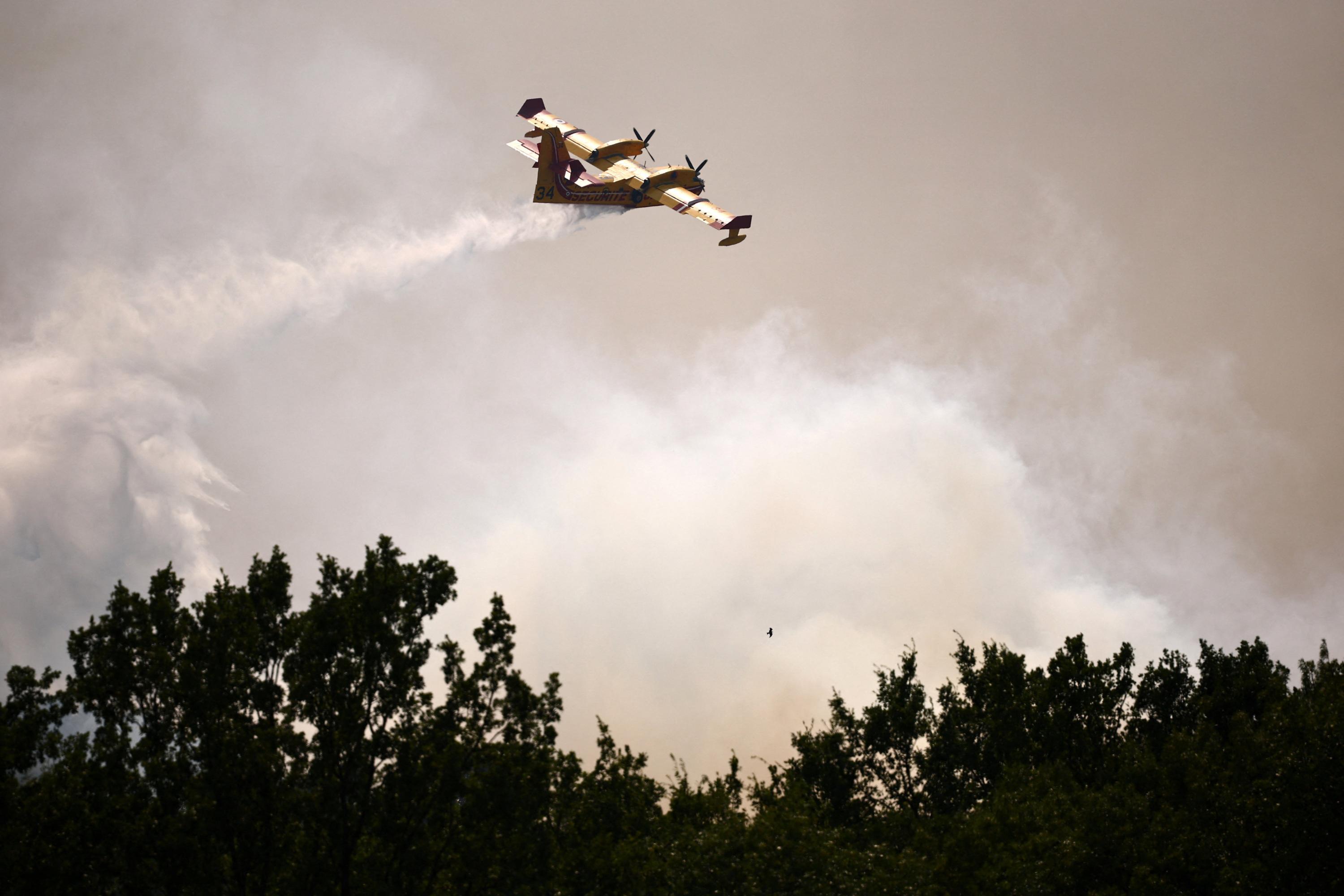
A Canadair aircraft, utilized in firefighting efforts at Fontainebleau, has been temporarily removed from operations due to damage sustained during its deployment. The French Ministry of the Interior confirmed the incident to Le Figaro newspaper. The ministry stated that the aircraft's return to service is anticipated within the coming days. However, the exact circumstances that led to the damage were not disclosed by the ministry. The Canadair is a crucial asset in aerial firefighting, capable of scooping large volumes of water from nearby sources to douse fires rapidly. Its temporary absence could impact the speed and intensity of aerial support for ongoing or future firefighting missions in the region. The incident highlights the operational risks faced by aerial firefighting crews and equipment, especially during demanding missions like combating large forest fires.
The operational downtime of critical firefighting assets like the Canadair, even if temporary, underscores the inherent risks and maintenance demands associated with aerial firefighting. Such incidents prompt a review of operational protocols and equipment resilience, particularly as climate change intensifies wildfire seasons. Ensuring redundancy in aerial fleet capacity and robust maintenance schedules are key considerations for governmental agencies responsible for disaster response. Examining the factors contributing to such damage, whether environmental or procedural, can inform strategies to enhance safety and operational continuity for these vital resources in the face of increasing environmental challenges.
AI-generated to prompt reflection — not editorial opinion, not advice, not a statement of fact. How this works.