Water Leak Floods Cardiac Ward Room at Raul Sertã Hospital in Nova Friburgo
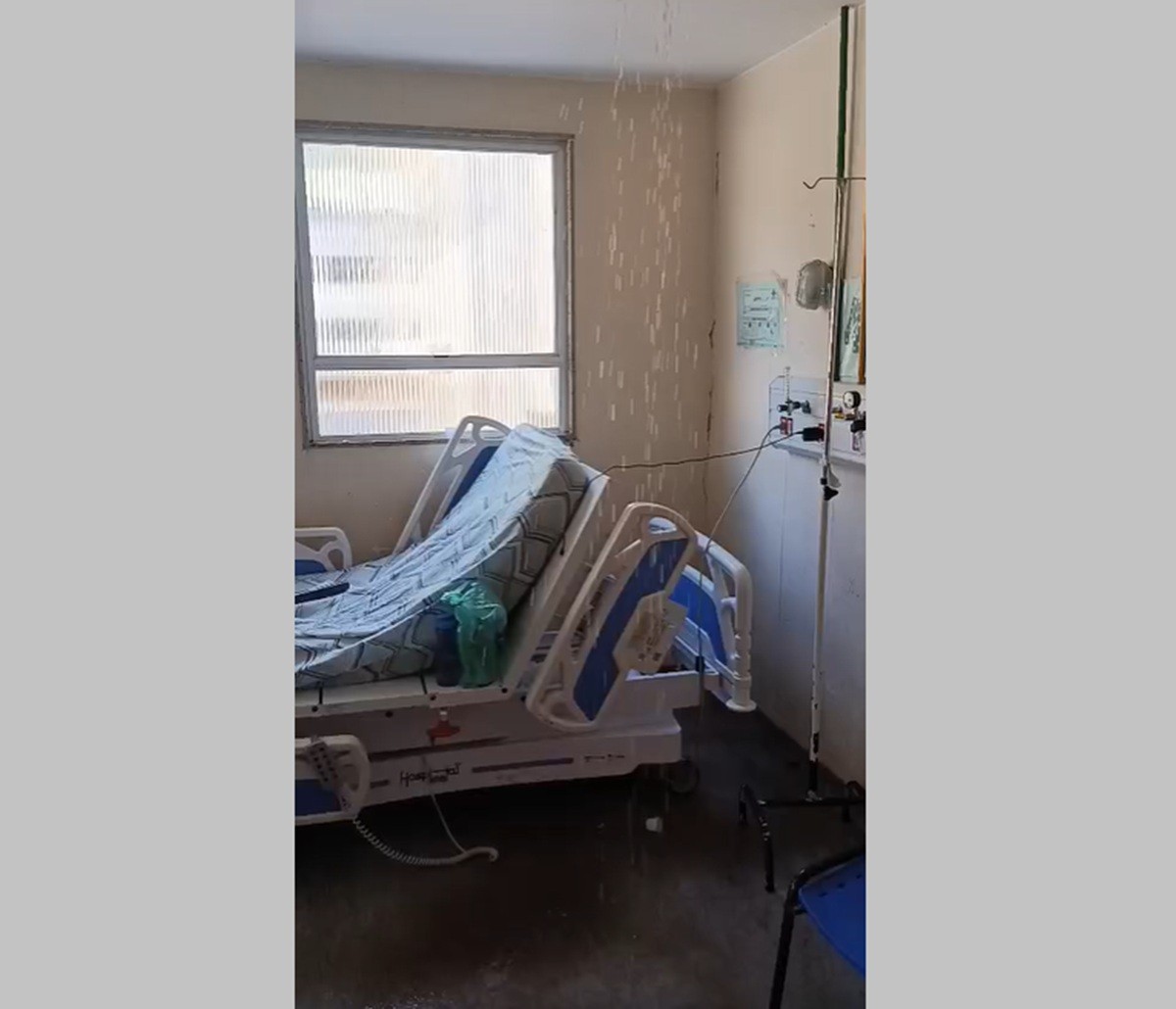
A significant water leak occurred on Thursday afternoon, flooding a room in the cardiac ward of the Municipal Hospital Raul Sertã in Nova Friburgo, Rio de Janeiro. Videos captured by patients and their companions show large volumes of water falling from the ceiling near an occupied bed and electrical outlets. Relatives expressed concern over the situation, noting that water was dripping from a light fixture and power sockets. They reported a lack of immediate response from hospital management or technical staff, with patients being kept in close proximity due to the incident.
The Nova Friburgo City Hall stated that the leak resulted from the improper cleaning of the hospital's water tank by a contracted company. During the tank's emptying process, water was reportedly directed onto the building's roof slab instead of the drainage system, causing infiltration into one room of the cardiac ward. The municipality confirmed that only one patient room was affected, and the patient was promptly relocated without disruption to care. No injuries were reported among patients, companions, or staff.
The hospital's technical team has isolated the affected area, and the cardiac ward continues to operate normally. The City Hall has notified the contracting company and initiated an administrative investigation into the circumstances and potential responsibility. Starting Saturday, the city will implement a system allowing patients and companions to evaluate municipal hospital services via QR codes, aiming to gather feedback for service improvements.
This incident highlights critical infrastructure and operational risks within a public healthcare facility. The failure during routine maintenance, specifically the misdirection of water during tank cleaning, points to potential gaps in contractor oversight and procedural adherence. The presence of water near electrical outlets in a cardiac ward underscores an immediate safety hazard that requires stringent protocols. While the hospital's technical team acted to isolate the area and maintain operations, the delay in response and initial lack of communication exacerbated patient and companion anxiety. The city's subsequent plan to implement a patient feedback system acknowledges the need for greater transparency and accountability in service delivery. Moving forward, robust quality assurance for contracted services and comprehensive emergency response training for all hospital personnel are essential to prevent recurrence and ensure patient safety in critical care environments.
AI-generated to prompt reflection — not editorial opinion, not advice, not a statement of fact. How this works.