Water outages hit Rio de Janeiro and Baixada Fluminense after severe windstorm
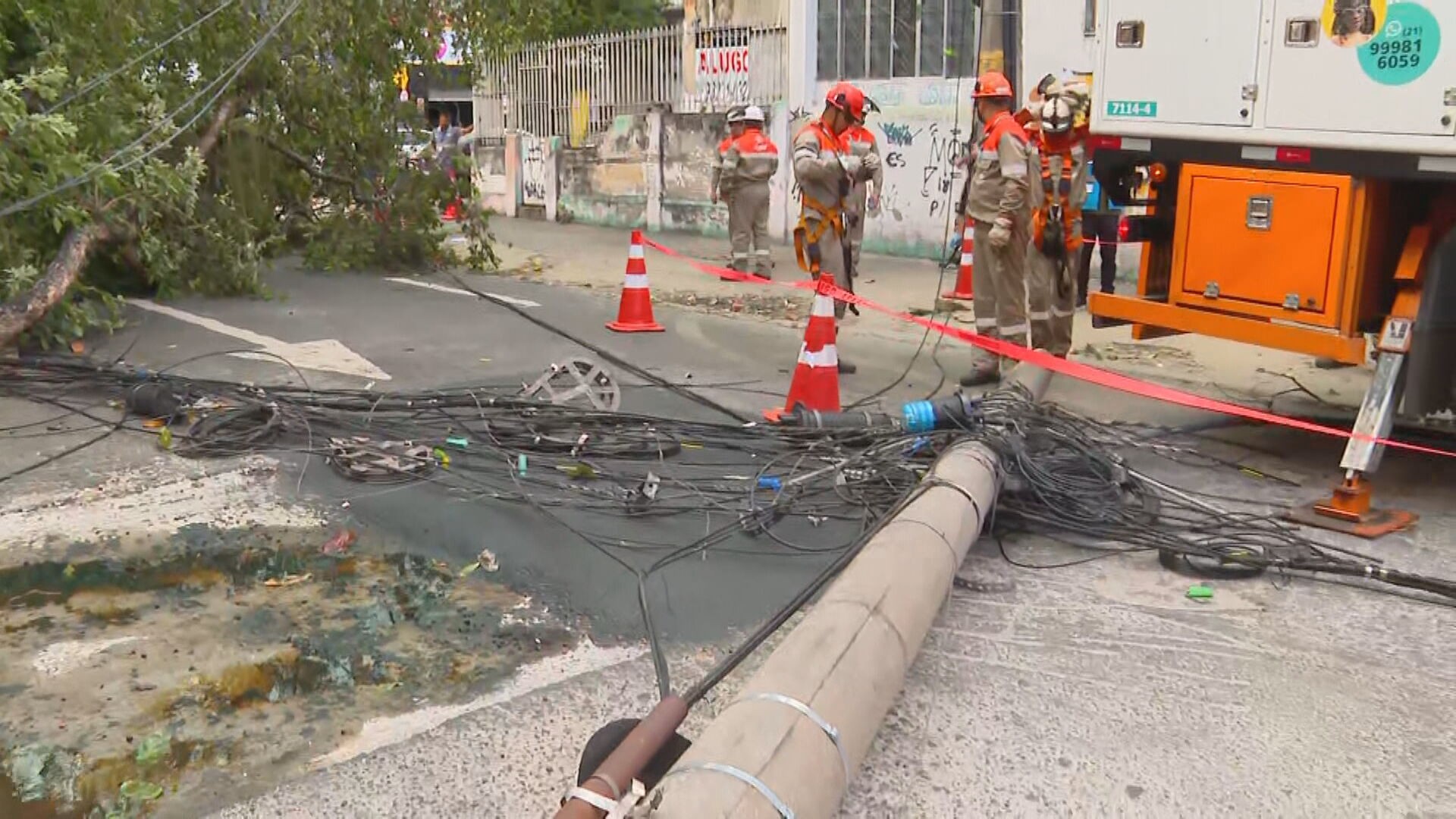
A powerful windstorm that struck Rio de Janeiro state has caused widespread water supply disruptions, affecting over half a million homes that were also left without electricity. The storm led to the shutdown of the Elevatória do Lameirão, a key water pumping station, due to power failure. Consequently, the Guandu Water Treatment Plant, which supplies nearly the entire Metropolitan Region, operated at only 55% capacity, severely impacting water distribution. While operations began to normalize on Wednesday evening, the full restoration of water supply is expected to take up to 48 hours for most areas. Some neighborhoods and municipalities may experience prolonged outages lasting until Sunday, November 2nd. This is due to additional issues reported by Águas do Rio, including power outages affecting other pumping stations and newly discovered leaks. Specific areas impacted include numerous neighborhoods in Rio city, such as Brás de Pina, Irajá, and Madureira, as well as the entire municipality of Belford Roxo and parts of Duque de Caxias, São João de Meriti, and Nova Iguaçu. Meanwhile, Rio+Saneamento reported ongoing power supply problems affecting pumping systems in parts of the West Zone and the municipality of Itaguaí, with no estimated restoration time. Iguá Saneamento, serving Barra da Tijuca and Jacarepaguá, confirmed reduced operations due to the Guandu plant's issues but reported no leaks.
The severe windstorm exposed critical infrastructure vulnerabilities in Rio de Janeiro's water and electricity systems. The cascading failure, where power outages directly impacted water treatment and distribution, highlights the interconnectedness of essential services and the need for robust, redundant systems. The extended restoration times underscore the challenges in repairing damage and normalizing operations after extreme weather events. Future planning should consider climate resilience, potentially through decentralized water management, enhanced grid stability, and proactive maintenance protocols to mitigate the impact of such disruptions on millions of residents and economic activity.
AI-generated to prompt reflection — not editorial opinion, not advice, not a statement of fact. How this works.