Water Reservoir Collapse in Campina Grande Leads to Fine for Water Company
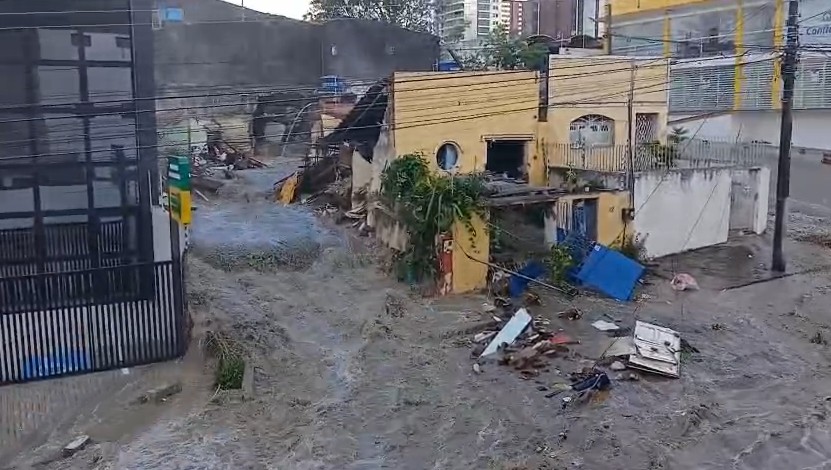
The Companhia de Água e Esgotos da Paraíba (Cagepa) has been officially cited following the catastrophic rupture of a water reservoir in the Prata neighborhood of Campina Grande. This incident, which occurred in November 2025, resulted in the death of an elderly woman and the destruction of multiple homes and businesses. The citation was issued by the State Program for Consumer Protection and Defense of the Public Ministry of Paraíba (MP-Procon), which found Cagepa to be in violation of safety regulations while providing an essential public service. The MP-Procon indicated that the company could face a fine, with proceeds directed to the Public Ministry's State Fund for Consumer Protection and Defense. Cagepa stated that it had not yet been officially notified of the citation and would review and respond within legal deadlines. An investigation by the Civil Police concluded that the reservoir's collapse was due to design and execution flaws in the original project, exacerbated by soil deterioration. A simple inspection conducted by Cagepa approximately six months prior to the incident reportedly did not identify any structural issues or signs of wear that indicated a risk of collapse. The reservoir, constructed in the 1960s, had a capacity of approximately 2 million liters. The accident caused the collapse of three residences, destroyed three commercial establishments, and damaged over 20 other properties, in addition to causing injuries and the fatality. Notably, the reservoir reportedly lacked a specific technical responsibility annotation (ART) for inspections, though Cagepa maintained that continuous inspections were performed by its engineers. Experts emphasize that an ART is mandatory for such activities, identifying the responsible technical professional.
The rupture of the Campina Grande water reservoir highlights critical infrastructure management challenges, particularly concerning aging public utilities and regulatory oversight. The incident underscores the potential systemic risks associated with deferred maintenance and inadequate inspection protocols, especially for structures built decades ago with evolving engineering standards. The lack of a specific ART for inspections, despite ongoing internal checks, raises questions about accountability and the formalization of safety assessments. Moving forward, a focus on robust, independent third-party verification of critical infrastructure, coupled with proactive risk assessment models that account for environmental factors like soil degradation, will be crucial. Ensuring transparent and rigorous adherence to technical documentation and safety standards is paramount to preventing future tragedies and maintaining public trust in essential service providers.
AI-generated to prompt reflection — not editorial opinion, not advice, not a statement of fact. How this works.