Water Rights Dispute Threatens Santiago's Water Security
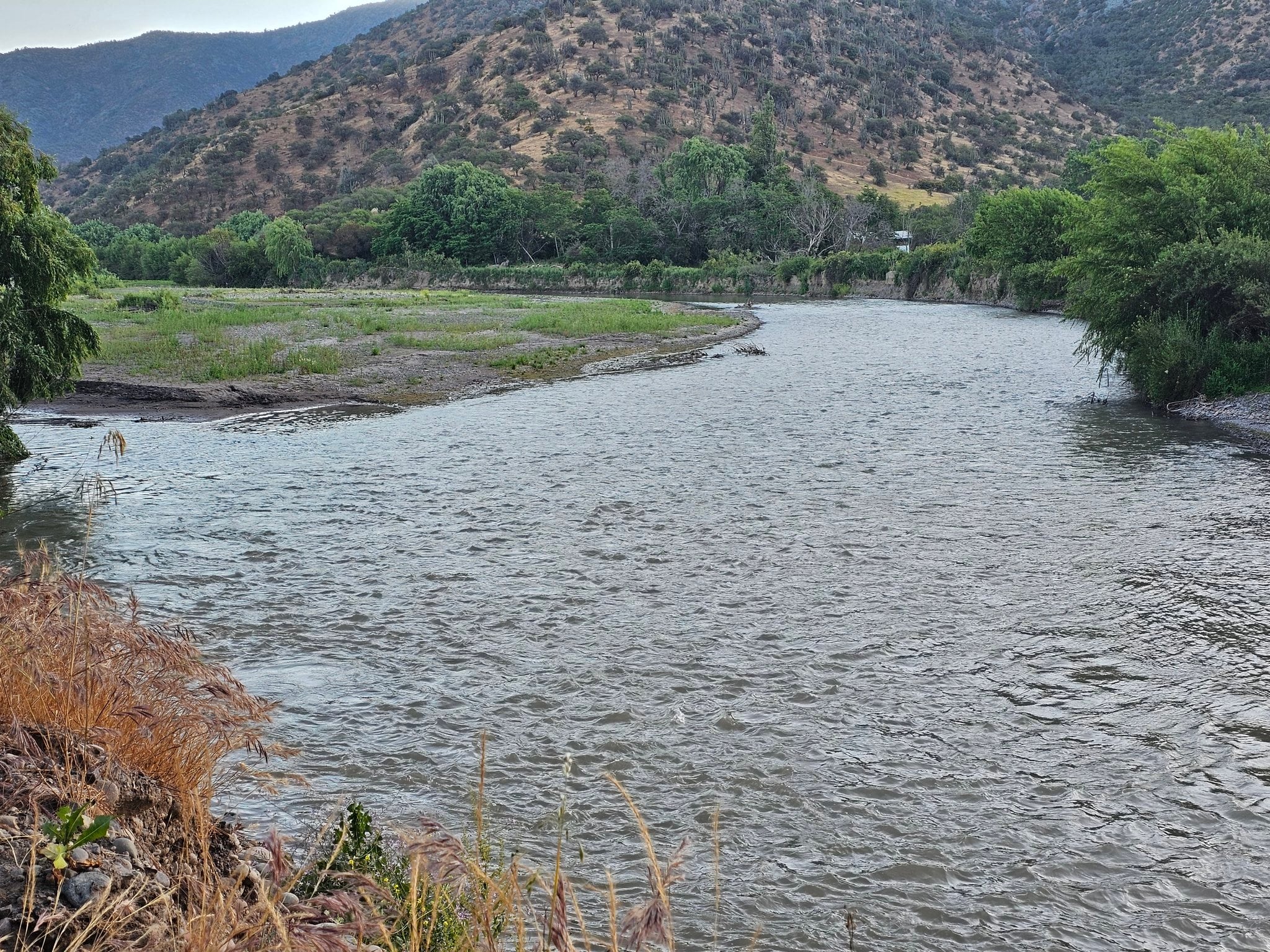
A legal challenge to the "Retorno Maipo" agreement between Aguas Andinas and Maipo River canal users jeopardizes a long-negotiated solution beneficial to farmers. The agreement, which compensated canal users for water used by Aguas Andinas, is now facing judicialization, potentially halting progress. This situation is particularly concerning given the ongoing structural megadrought in the Metropolitan Region, where water conservation is critical. The dispute risks creating conflict between major water users in the Maipo and Mapocho basins, pitting downstream agriculture against each other.
Despite the current conflict, the agreement itself outlines alternative solutions deemed more economical and sustainable than the contentious project. These include extracting groundwater through well batteries with direct discharge to canals and implementing artificial recharge projects. The Santiago aquifer has shown remarkable resilience over 15 years of scarcity, experiencing only marginal losses and recovering naturally after brief periods of normal rainfall. The author argues that this natural resource is a more efficient and cost-effective solution than complex and expensive water diversions.
The author, Eugenio Celedón Cariola, a partner at Hidrogestión and former president of Alhsud Chile, emphasizes the need to strengthen the agreement by reorienting it towards complementary water sources and strategic groundwater utilization. This approach, he suggests, can ensure human consumption needs are met without neglecting agriculture or creating further unnecessary conflicts.
The "Retorno Maipo" dispute highlights the complex interdependencies and potential conflicts inherent in managing shared water resources, especially under conditions of prolonged scarcity. The judicialization of a negotiated agreement suggests a breakdown in stakeholder trust or perceived inequities in benefit distribution. While groundwater extraction and artificial recharge are presented as sustainable alternatives, their long-term efficacy and environmental impacts require rigorous assessment. The situation underscores the challenge of balancing competing demands—human consumption, agriculture, and industrial use—within a constrained hydrological system. Future water governance frameworks may need to incorporate more adaptive mechanisms to resolve such disputes, ensuring equitable access and long-term resource sustainability in the face of climate change and increasing demand.
AI-generated to prompt reflection — not editorial opinion, not advice, not a statement of fact. How this works.