Water Scarcity and Pollution: Reclaiming Public Control Over Water Usage
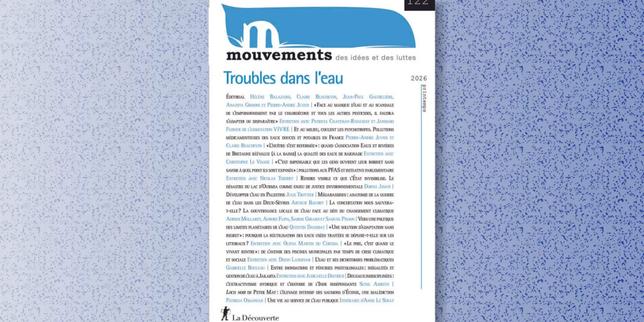
The journal "Mouvements" is examining the multifaceted challenges posed by intensifying droughts and water scarcity. It highlights how these crises amplify existing power dynamics and expose the inherent limitations of an extractive economic model. The review delves into the complex issues surrounding water resource management in the face of growing environmental pressures. It argues that the current approach to water exploitation is unsustainable and exacerbates social and environmental inequalities. By analyzing these crises, "Mouvements" seeks to foster a deeper understanding of the political dimensions of water usage. The publication aims to stimulate a debate on how to move beyond the current extractivist paradigm towards more equitable and sustainable water governance. This includes exploring alternative models that prioritize conservation and public access over unchecked exploitation. The journal's exploration is particularly relevant given the increasing frequency and severity of drought events globally.
The intensification of droughts and pollution necessitates a critical reassessment of water resource management, moving beyond purely economic or technical solutions. The current extractive model, driven by market demands, appears increasingly ill-equipped to handle the systemic challenges of water scarcity. This situation highlights a governance gap where the long-term sustainability of a vital public resource is potentially compromised by short-term economic imperatives. Future strategies will likely need to integrate ecological limits more rigorously and re-establish water as a common good, requiring robust public participation and oversight to ensure equitable distribution and responsible stewardship for generations to come.
AI-generated to prompt reflection — not editorial opinion, not advice, not a statement of fact. How this works.