Water Scarcity Prompts Bans on Water Extraction in Several Brandenburg Districts
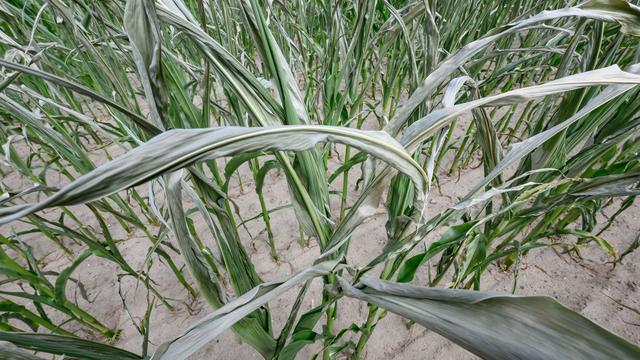
Due to severe water scarcity, multiple districts in the German state of Brandenburg have implemented bans on extracting water. This measure is a direct response to the ongoing drought conditions affecting the region. The restrictions aim to conserve dwindling water resources and prevent further environmental damage. Residents and businesses are urged to comply with the new regulations to ensure sustainable water management. The specific details of the bans, including duration and scope, vary by district. This situation highlights the growing challenges posed by climate change and its impact on water availability in Germany. Authorities are monitoring the water levels closely and may adjust the measures based on future rainfall and reservoir conditions. The bans are effective immediately and will remain in place until further notice. Public awareness campaigns are being launched to educate citizens about water conservation practices. The long-term implications for agriculture and local ecosystems are a significant concern.
The imposition of water extraction bans across multiple Brandenburg districts underscores the escalating impact of climate change on regional water security. This situation reflects a broader European trend where prolonged dry periods strain natural resources, necessitating stringent conservation measures. Such restrictions, while critical for immediate relief, highlight systemic challenges in water infrastructure and management, particularly in balancing agricultural, industrial, and domestic needs against environmental sustainability. Future planning will likely require significant investment in water-saving technologies, improved reservoir management, and potentially rethinking land use and agricultural practices to adapt to a more arid climate. The effectiveness of these bans will depend on consistent enforcement and public cooperation, alongside long-term strategies to enhance water resilience.
AI-generated to prompt reflection — not editorial opinion, not advice, not a statement of fact. How this works.