Water Supply Disrupted in Rio Branco Due to Equipment Failure at Treatment Plant
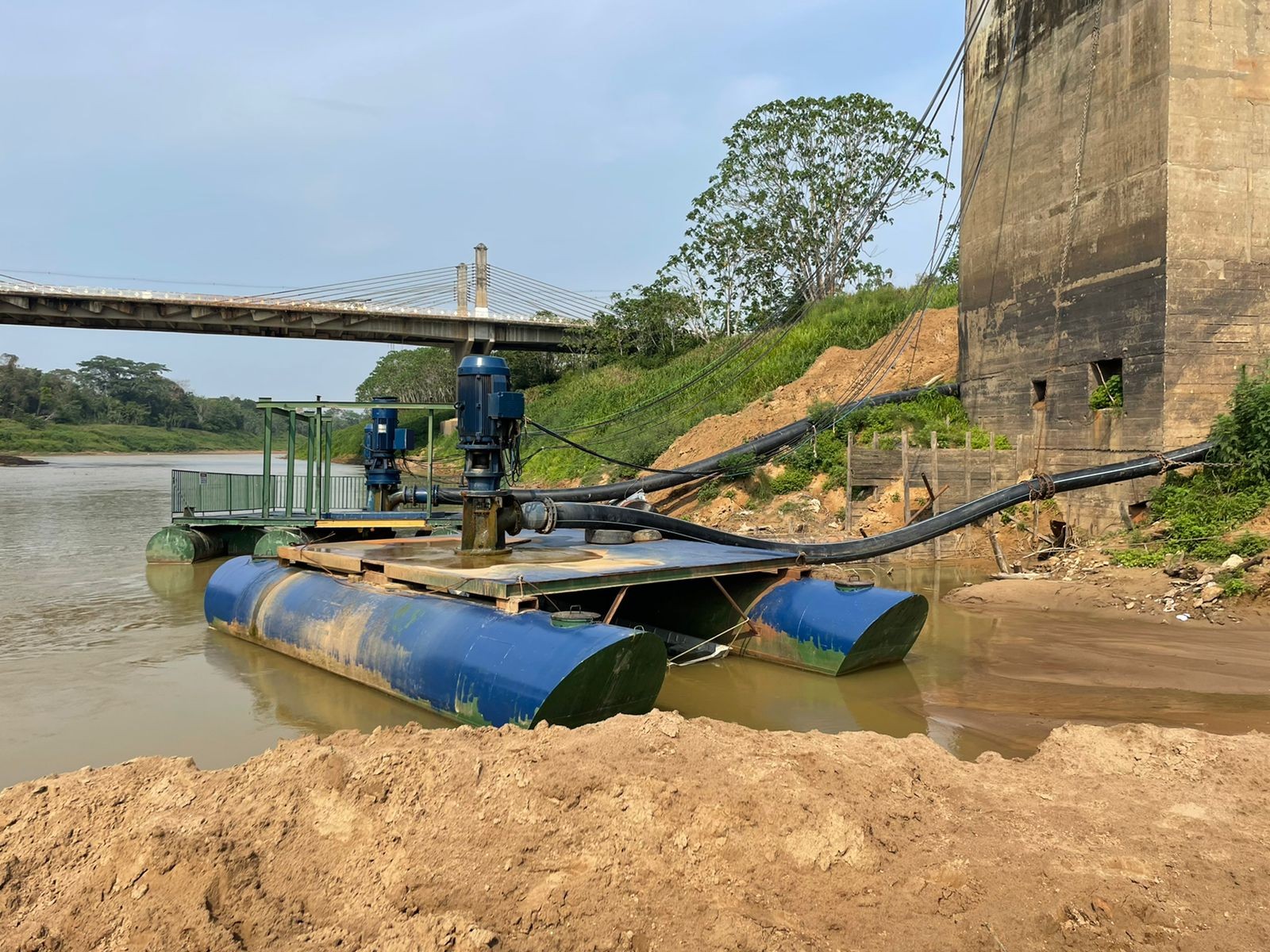
Residents across various neighborhoods in Rio Branco are experiencing water shortages starting Monday, May 6th. The disruption stems from a malfunction in one of the buoys on the floating equipment at the Water Treatment Station (ETA I), which is responsible for water intake. The Rio Branco Water and Sewerage Service (Saerb) stated that their technical team preemptively removed the onboard equipment to protect its structure and prevent further damage. Contrary to social media rumors, the floating structure did not sink; it was repaired and returned to operation. However, during the resumption of work, a mechanical failure occurred with one of the pieces of equipment, necessitating its replacement and causing delays in restoring the water supply system. Saerb anticipates a gradual restoration of water service throughout the week in the most affected areas, including the Upper Part Regional, parts of the Sobral Regional, and the Horto and São Francisco regionals. The agency assures that all necessary measures are being taken to fully restore operations as quickly as possible. Residents can seek further information or report issues via Saerb's WhatsApp at (68) 3212-7439.
This incident highlights the critical vulnerability of urban water infrastructure to single points of failure in essential equipment. The reliance on a specific floating component at ETA I demonstrates a potential systemic risk that, when triggered by a malfunction, can cascade into widespread service disruption. While Saerb's prompt action to prevent further damage and their communication efforts are noted, the event underscores the need for enhanced redundancy and proactive maintenance strategies within critical water supply systems. Future planning should consider the long-term resilience of such infrastructure against mechanical wear and the potential for cascading failures, especially in regions facing environmental pressures that could exacerbate equipment stress. Investing in diversified intake systems or advanced predictive maintenance could mitigate the impact of similar future events.
AI-generated to prompt reflection — not editorial opinion, not advice, not a statement of fact. How this works.