Water Supply Disruption Expected in Five Rio de Janeiro Coastal Cities
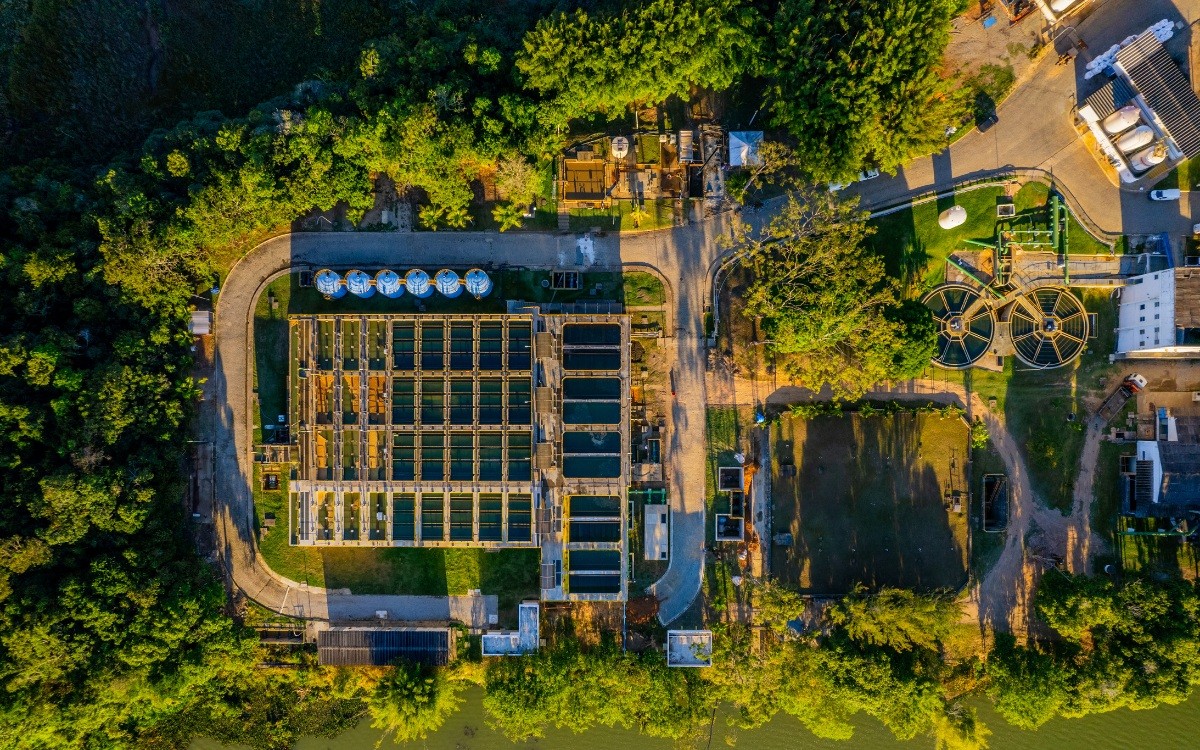
Five municipalities in the Região dos Lagos, Rio de Janeiro, may experience water shortages or reduced supply starting Wednesday, May 5th. The interruption is due to preventive maintenance on the Juturnaíba Water Treatment Station (ETA) conducted by the concessionaire Prolagos. The maintenance activities are scheduled to begin at 6 AM and conclude by 8 PM on the same day. The primary goal is to enhance the operational safety of the station and improve the water distribution system for Cabo Frio, Armação dos Búzios, Arraial do Cabo, São Pedro da Aldeia, and Iguaba Grande. Prolagos advises residents to keep water intake valves open to ensure water tanks and cisterns are filled before the shutdown. The company also recommends conserving water in the days leading up to the maintenance, prioritizing essential uses and postponing activities requiring significant water consumption. According to Prolagos Operations Manager Pablo Meletti, water supply will be gradually restored after the maintenance is completed, potentially taking up to 48 hours or longer, particularly in elevated areas and at the extremities of the distribution network. During the outage, water will be supplied via water trucks to critical facilities such as hospitals, clinics, and emergency care units. Prolagos will also use this period to conduct other interventions within the distribution system and implement measures to combat water loss, as stated by Executive Director Aline Póvoas. Customers can reach Prolagos for inquiries at 0800 195 0 195, which also operates via WhatsApp.
This planned maintenance highlights the critical infrastructure dependencies in urban water systems. The proactive approach by Prolagos aims to mitigate future service disruptions and enhance system resilience, reflecting a growing emphasis on operational efficiency and loss reduction in utility management. The temporary inconvenience for residents underscores the trade-offs between immediate service continuity and long-term infrastructure investment. As climate patterns evolve and demand increases, such maintenance cycles will become increasingly vital for ensuring reliable water access, necessitating clear communication and community preparedness strategies to manage the impact of essential, albeit disruptive, upgrades.
AI-generated to prompt reflection — not editorial opinion, not advice, not a statement of fact. How this works.
