Waterlogging Persists in Parts of Dhaka After 33 Hours
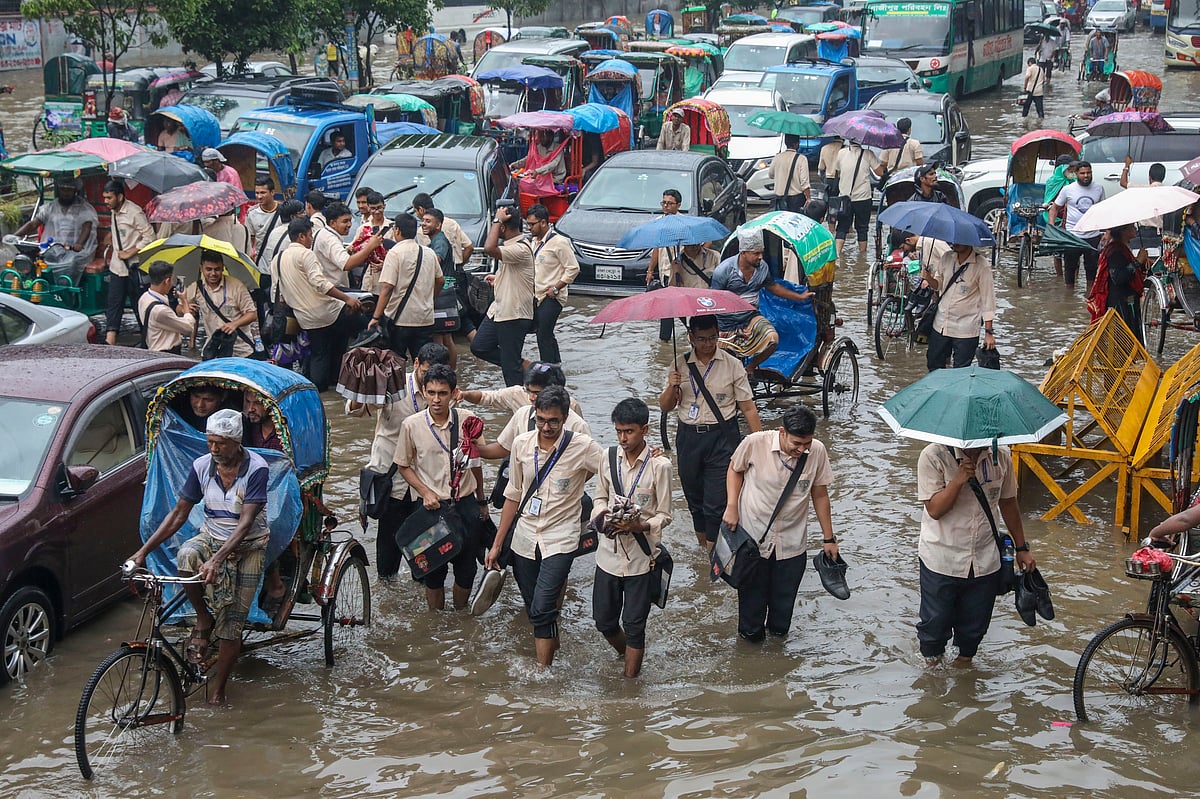
Waterlogging continues to affect several areas in Dhaka, Bangladesh, more than 33 hours after heavy rainfall began. The issue was first observed yesterday around 2 PM, with a 100-meter stretch of road between Talibag area and Shukrabad Jame Masjid experiencing significant inundation. This persistent waterlogging highlights ongoing challenges with urban infrastructure and drainage systems in the capital city. Residents are facing considerable disruption to daily life and transportation due to the prolonged standing water. The situation underscores the vulnerability of Dhaka's low-lying areas to heavy monsoon rains. Further updates are expected as authorities assess the extent of the problem and implement mitigation efforts. The duration of the waterlogging suggests potential issues with the city's capacity to manage extreme weather events. This recurring problem impacts not only mobility but also public health and economic activities in the affected neighborhoods.
The persistent waterlogging in Dhaka, extending over 33 hours, points to systemic challenges in urban infrastructure management, particularly concerning drainage and resilience to extreme weather events. The prolonged inundation of key roads suggests that current mitigation strategies may be insufficient to cope with the intensity and duration of monsoon rainfall. This situation raises questions about the city's long-term urban planning, investment in climate-resilient infrastructure, and the effectiveness of maintenance protocols for drainage systems. Future planning must consider the increasing frequency of such events, driven by climate change, and prioritize solutions that enhance the city's adaptive capacity to prevent widespread disruption and economic loss.
AI-generated to prompt reflection — not editorial opinion, not advice, not a statement of fact. How this works.