Watermelon vs. Melon: Which is Better for Blood Sugar?
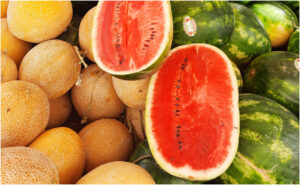
Watermelon and melon are popular summer fruits, both naturally containing sugars while also offering beneficial vitamins, minerals, and antioxidants for overall health. Many individuals question which fruit might be a better choice for maintaining stable blood sugar levels. Despite their natural sweetness, both fruits are considered healthy options. The primary consideration for blood sugar management often revolves around the glycemic index (GI) and glycemic load (GL) of foods. The glycemic index measures how quickly a carbohydrate-containing food raises blood glucose levels, while the glycemic load considers both the GI and the amount of carbohydrates in a typical serving. Both watermelon and melon generally have a moderate GI, but their GL can be influenced by serving size due to their high water content. This means that consuming them in moderation is key for individuals monitoring their blood sugar. The fruits' rich nutrient profiles, including hydration and fiber (though in small amounts), can contribute positively to a balanced diet. Ultimately, the choice between watermelon and melon for blood sugar health depends on individual dietary needs and portion control.
This article addresses a common dietary concern regarding the impact of popular summer fruits on blood sugar levels. It frames the choice between watermelon and melon through the lens of glycemic index and load, suggesting that moderation and portion control are key for individuals managing their carbohydrate intake. The analysis highlights the importance of understanding food's impact beyond simple sugar content, acknowledging the broader nutritional benefits of these fruits. Future considerations might involve exploring the synergistic effects of these fruits within a balanced diet, particularly for populations at risk of or managing diabetes, and how modern agricultural practices might influence their nutritional profiles.
AI-generated to prompt reflection — not editorial opinion, not advice, not a statement of fact. How this works.