Waterways and Canals: How to Open the Strait of Hormuz?
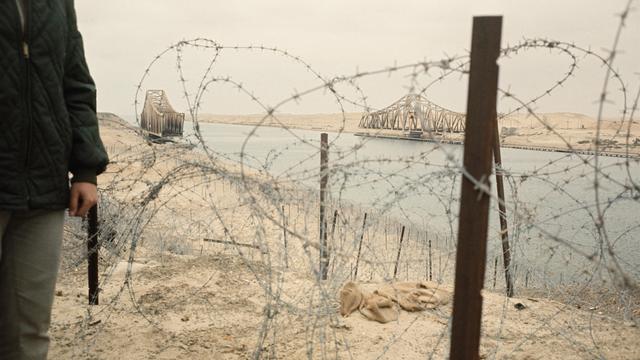
The article draws parallels between historical conflicts over strategic waterways and the current crisis involving the Strait of Hormuz. It notes that control over maritime chokepoints like the Bosporus and Suez Canal has historically been a cause for war. By examining past events, the author suggests lessons can be learned for navigating the present situation in the Persian Gulf. The piece implies that understanding the historical context of waterway control is crucial for comprehending the geopolitical dynamics at play. It frames the Strait of Hormuz as a modern-day example of such a critical maritime passage. The article aims to provide insights into the Hormuz crisis by referencing historical precedents of conflicts over similar strategic locations. The core argument is that history offers valuable perspectives on managing contemporary tensions surrounding vital sea lanes.
Historical precedent suggests that control over strategic maritime chokepoints, such as the Strait of Hormuz, has frequently been a catalyst for conflict. The current tensions in the Persian Gulf echo these historical patterns, highlighting the enduring geopolitical significance of such passages. Understanding the economic and military leverage derived from controlling these waterways is essential for analyzing the motivations of state and non-state actors. Future geopolitical stability may depend on developing international frameworks that ensure freedom of navigation while respecting national security interests, potentially through multilateral agreements or technological solutions that mitigate risks associated with transit.
AI-generated to prompt reflection — not editorial opinion, not advice, not a statement of fact. How this works.