Waze Introduces AI Chat, Motorcycle Mode, and Voice Control Enhancements in Brazil
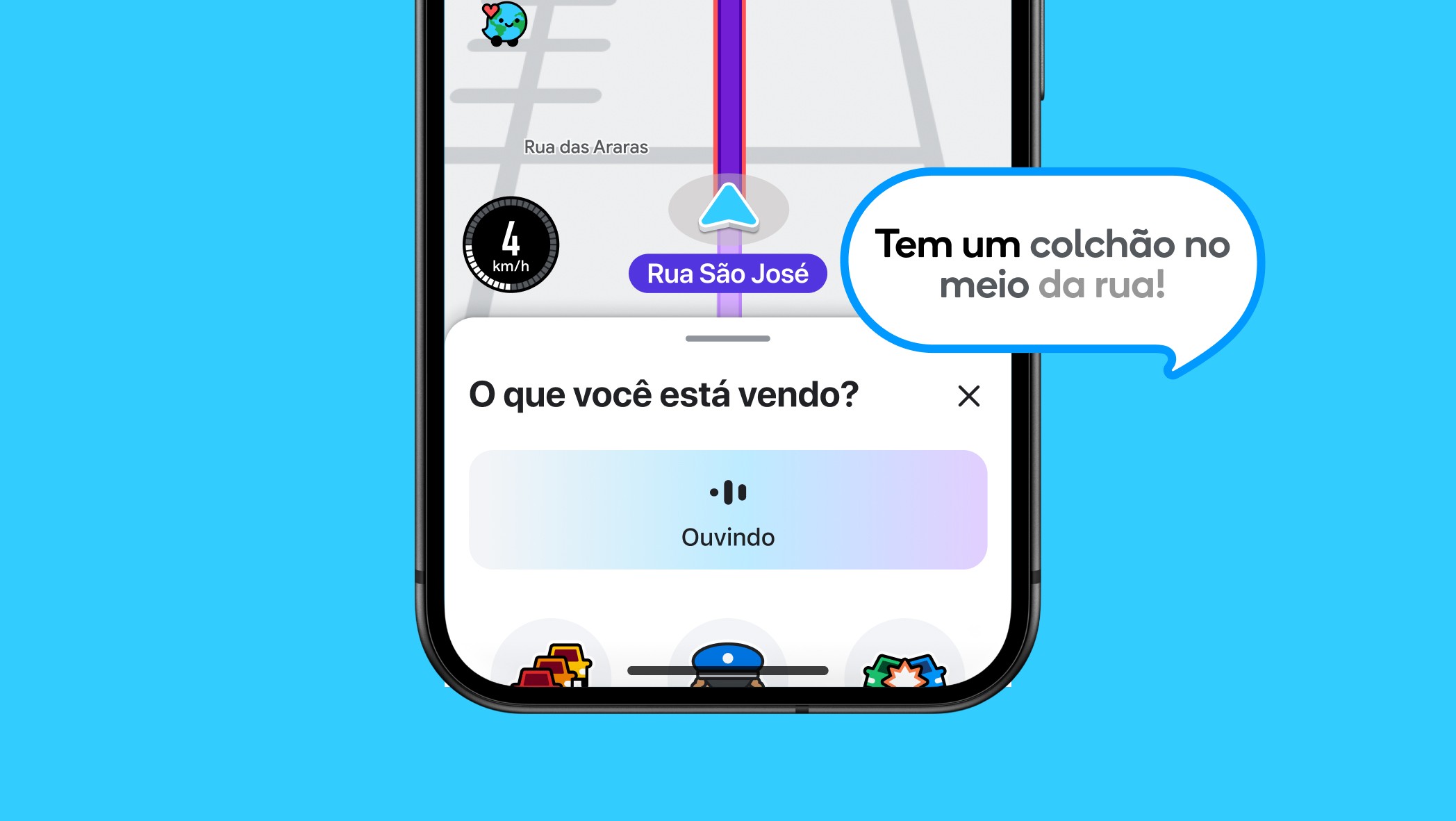
Waze has launched several new artificial intelligence-powered features for its users in Brazil, aiming to enhance the navigation experience. A key innovation is "Waze Map Mate," an AI tool that allows drivers to provide map updates using natural language voice commands. Users can report incidents like accidents, potholes, construction, and traffic jams by speaking phrases such as "The house number changed to [number]" or "There's a trash can in the middle of street Y." This feature, which utilizes Google's Gemini AI to interpret requests, sends suggestions to map editors for verification before updating the app. The feature is available on both Android and iOS devices.
Additionally, Waze is introducing a "Less Talkative" mode to reduce voice interactions during navigation, offering options from "Normal" to "Off," while prioritizing critical alerts. A "Motorcycle Mode" has also been released, providing estimated travel times specifically for motorcyclists. This mode leverages AI to account for motorcycle-specific restrictions and road conditions like potholes and narrow bridges, with input from a team of motorcycle-riding editors. Waze is also integrating Gemini further to help users find destinations by asking questions like "Find parking near my destination" or "Find a gas station with the lowest prices." A personalized navigation feature, which learns driver preferences from past trips and traffic patterns, is also being rolled out.
Waze's integration of generative AI, particularly through its "Waze Map Mate" feature powered by Gemini, represents a significant step in leveraging conversational interfaces for real-time data collection. This move aligns with broader industry trends where companies are embedding AI to improve user engagement and operational efficiency. By enabling natural language input for map updates, Waze potentially democratizes data contribution, making it more accessible to a wider user base. However, the reliance on human editors for verification introduces a potential bottleneck and raises questions about scalability and the speed of updates. The introduction of specialized modes like "Motorcycle Mode" and personalized navigation highlights a strategic shift towards hyper-personalization, catering to diverse user needs and preferences. This approach, while enhancing user experience, also necessitates robust data privacy frameworks and continuous algorithmic refinement to ensure accuracy and fairness across different user segments.
AI-generated to prompt reflection — not editorial opinion, not advice, not a statement of fact. How this works.