Weight-loss pens may lead to a new cycle of "yo-yo dieting"
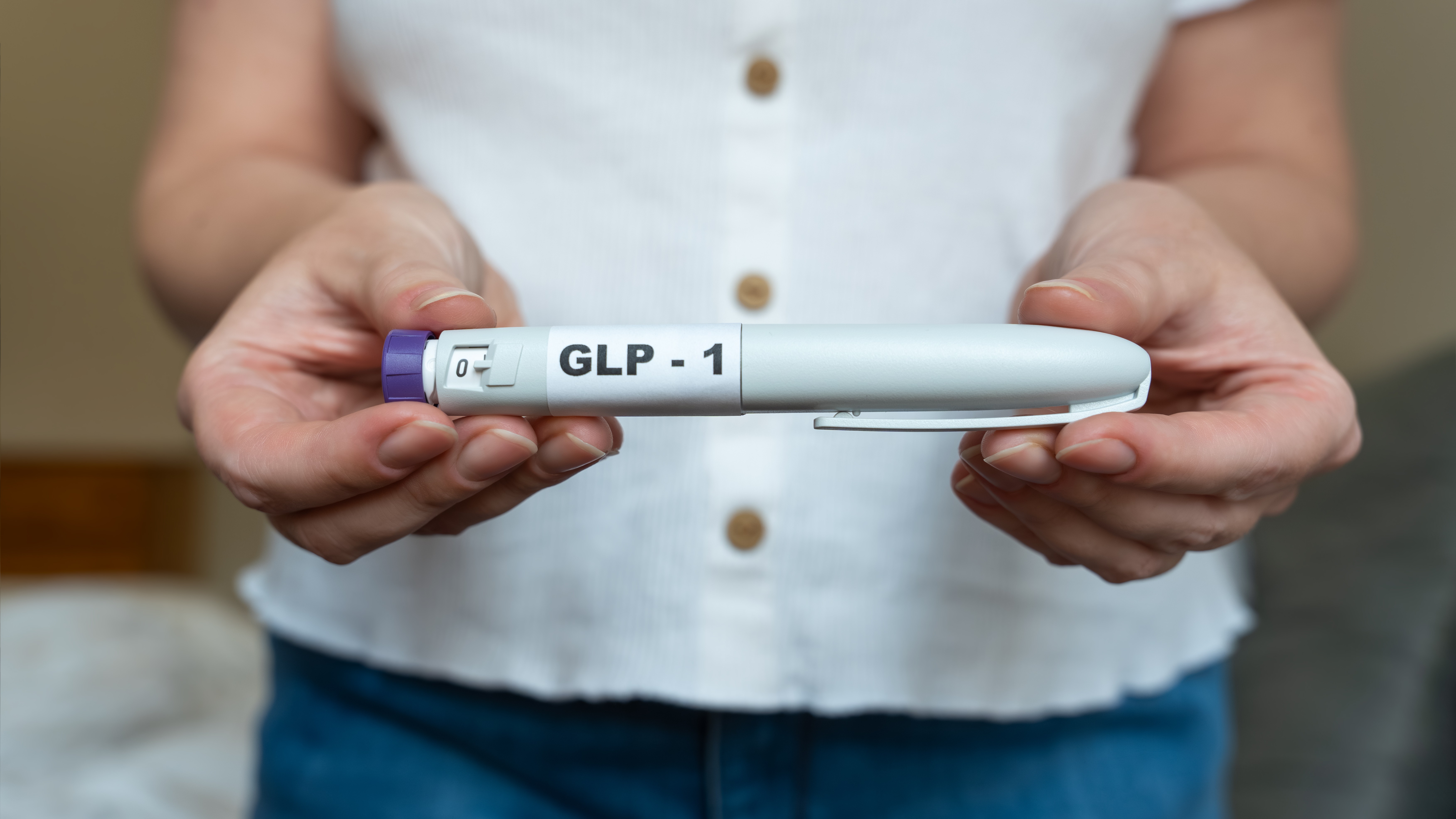
New weight-loss medications, such as Wegovy and Mounjaro, which mimic GLP-1 hormones to reduce appetite and increase satiety, have been transformative for many individuals with obesity. These drugs are considered a major advancement in obesity treatment, with over 1 billion people globally classified as obese. However, a significant concern is emerging regarding what happens when patients stop taking these medications. Evidence suggests that many individuals regain a substantial portion of the lost weight, with health indicators often returning to pre-treatment levels. This phenomenon is biologically plausible, as the drugs' effects on appetite and food cravings diminish upon discontinuation, making weight regain more likely if calorie intake exceeds expenditure.
This situation raises the possibility of a new form of yo-yo dieting, a cyclical pattern of losing and regaining weight. Patients might start medication, achieve significant weight loss, and then stop treatment due to cost, side effects, eligibility issues, or personal choice. As appetite returns, weight gradually increases, prompting a new prescription and restarting the cycle. While these medications are clinically valuable, the public's expectation of a permanent solution clashes with the reality of obesity as a complex, chronic condition requiring long-term support. Healthcare professionals view GLP-1 treatments as an "opportunity window" to build sustainable weight-management habits, rather than a standalone cure. The medications facilitate behavioral change by reducing hunger but do not alter underlying life circumstances that influence weight, such as diet, exercise, mental health, and socioeconomic factors.
The widespread use of these drugs also presents broader implications. As demand grows, many individuals may require long-term treatment, especially those with severe obesity or related health complications. Regulatory bodies caution against using GLP-1s for cosmetic purposes in individuals not meeting medical criteria. The potential for indefinite medication use or repeated treatment cycles, particularly if access is self-funded or dependent on fluctuating eligibility, creates a novel challenge. Instead of cycling through diets, some may cycle through prescriptions. While generally safe under proper monitoring, the population-level use of these drugs is still novel, necessitating attention to side effects, misuse, and off-label applications. The critical question for obesity medicine may shift from how much weight can be lost on these drugs to the support needed upon discontinuation, as long-term success may depend on more than just appetite suppression.
The advent of GLP-1 agonists offers a powerful tool for obesity management, addressing biological drivers of appetite and satiety. However, the emergence of a potential "medication-induced yo-yo dieting" cycle highlights a critical systems-level challenge. If long-term weight management remains contingent on continuous pharmaceutical intervention, it risks creating a perpetual demand for these drugs, potentially masking rather than resolving the complex interplay of biological, environmental, and socioeconomic factors contributing to obesity. This dynamic raises questions about sustainable healthcare models and the equitable distribution of resources, particularly as the cost and accessibility of these novel treatments become more prominent. Future public health strategies may need to focus on integrating pharmaceutical support with robust, accessible behavioral and environmental interventions to foster genuine, long-term health resilience beyond the duration of a prescription.
AI-generated to prompt reflection — not editorial opinion, not advice, not a statement of fact. How this works.