Weimar Republic: How the Grand Coalition Collapsed
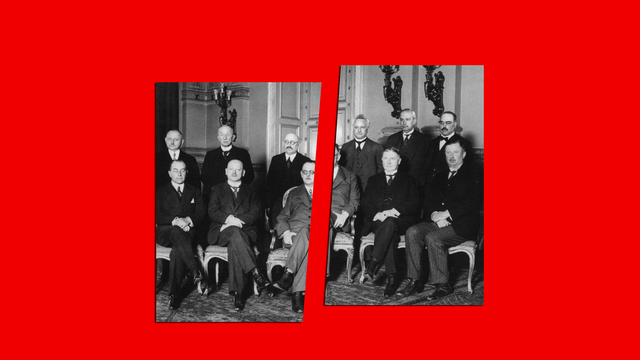
On March 27, 1930, the Weimar Republic ceased to be a parliamentary democracy. This marked a significant shift in Germany's political landscape. The collapse of the grand coalition government led to this fundamental change. The reasons behind this breakdown are explored, offering lessons that remain relevant today. Understanding this historical event provides insight into the fragility of democratic institutions. The period leading up to this date was characterized by increasing political instability and economic challenges. The failure of the grand coalition demonstrated the difficulties in forming and maintaining stable majority governments. This event is often cited as a critical turning point in the history of the Weimar Republic. It paved the way for more authoritarian forms of governance. The consequences of this collapse had a profound impact on Germany's future trajectory. The lessons learned from this era continue to be studied by historians and political scientists.
The dissolution of the Weimar Republic's parliamentary democracy on March 27, 1930, signifies a critical juncture where governance shifted away from legislative consensus. The collapse of the grand coalition, a broad alliance intended to provide stability, highlights systemic challenges in coalition-building and maintaining majority support during periods of economic and social stress. This event underscores the importance of robust democratic mechanisms and the potential for political fragmentation to undermine representative government. Examining the factors that led to this breakdown offers valuable insights into the conditions that can erode democratic norms and the resilience required for parliamentary systems to endure, particularly in the face of external pressures and internal divisions.
AI-generated to prompt reflection — not editorial opinion, not advice, not a statement of fact. How this works.
