Well-Preserved Byzantine City Unearthed in Egypt's Western Desert
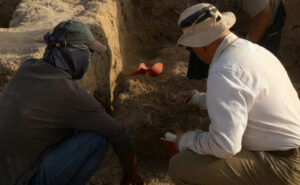
Archaeologists in Egypt have discovered a remarkably well-preserved city dating back to the Byzantine era, located in the Western Desert. The findings, situated in the Dakhla Oasis, include residential and religious structures from the 4th century. Among the significant discoveries is a basilica-style church, indicating the city's importance as a religious center.
Further exploration of the site yielded a variety of artifacts, such as coins, pottery fragments, and tools, providing valuable insights into daily life during that period. The Guardian reported on these significant archaeological findings. In a separate discovery, 18 ancient tombs were found in Marina El Alamein, near the Mediterranean coast, though details on these tombs were not fully elaborated in the provided text.
The discovery of a well-preserved Byzantine city in Egypt's Western Desert highlights the enduring historical significance of the region and the potential for further archaeological revelations. This finding underscores the importance of continued investment in cultural heritage preservation and exploration, which can yield not only academic insights but also contribute to tourism and national identity. The presence of religious and residential structures, along with artifacts, offers a tangible link to past societies, prompting reflection on the evolution of urbanism and faith over centuries. Understanding the economic and social networks that supported such settlements in a challenging desert environment can provide lessons for contemporary resource management and community development.
AI-generated to prompt reflection — not editorial opinion, not advice, not a statement of fact. How this works.