West Africa's ECO Currency: Launch Set for 2027
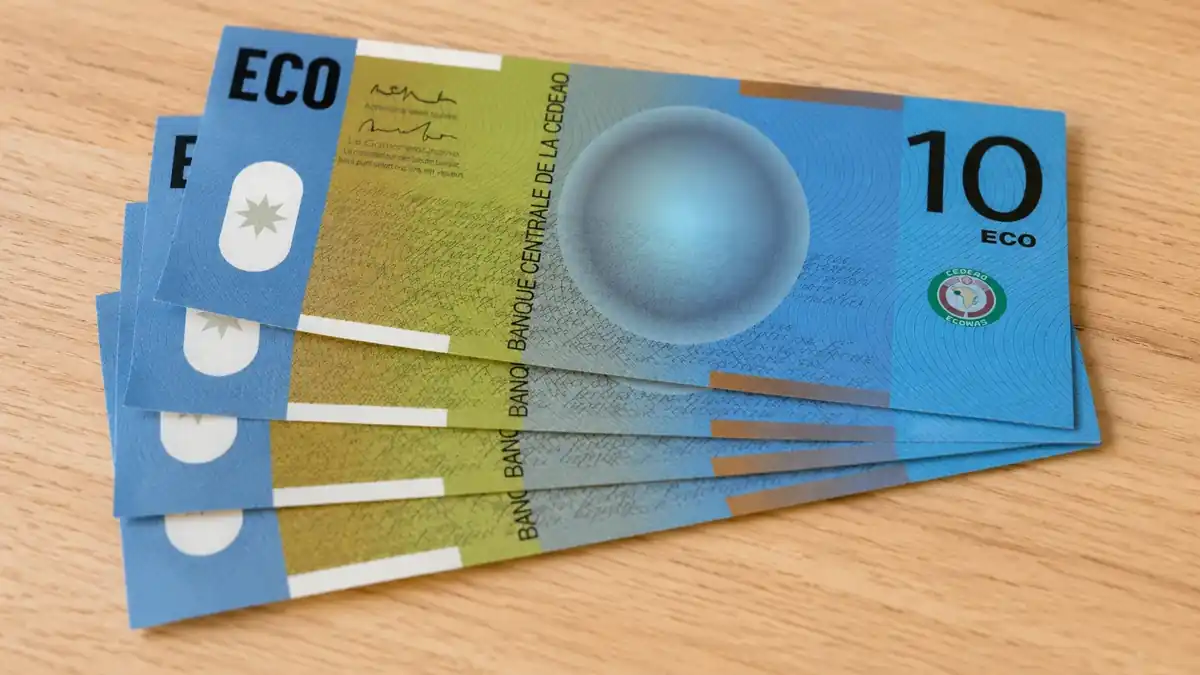
The Economic Community of West African States (ECOWAS) has reaffirmed 2027 as the target year for the launch of its single currency, the ECO. This decision was formally stated by the heads of state and government during their 69th ordinary session held in Lungi, Sierra Leone, on July 19, 2026. The ECO currency project aims to foster greater economic integration and stability within the West African region. While the specific details of the currency's implementation and the criteria for member states to join remain under development, the commitment to a 2027 launch signifies a significant step forward for the long-standing initiative. The ECO was initially conceived to facilitate trade, reduce transaction costs, and promote a more unified economic landscape among ECOWAS member nations. The path to a single currency has been complex, involving various technical and economic benchmarks that participating countries must meet. The reaffirmation of the 2027 deadline suggests that progress is being made towards harmonizing monetary policies and economic indicators across the bloc. Further discussions and concrete actions are expected in the lead-up to the proposed launch date to ensure a smooth transition and successful adoption of the ECO.
The ECOWAS's commitment to launching a single currency by 2027 reflects a strategic imperative to deepen regional economic integration, potentially streamlining trade and investment flows. However, the historical challenges in achieving such monetary unions, including divergent economic performances and fiscal policies among member states, present significant hurdles. The success of the ECO will likely hinge on robust governance mechanisms, strict adherence to convergence criteria, and sustained political will to overcome national economic specificities. Looking ahead, the currency's adoption could reshape regional economic dynamics, but it also necessitates careful management to avoid exacerbating existing inequalities or creating new dependencies within the bloc.
AI-generated to prompt reflection — not editorial opinion, not advice, not a statement of fact. How this works.
