West African Alliance Criticized for Ignoring Internal Dictatorship Amid Anti-Imperialism Push
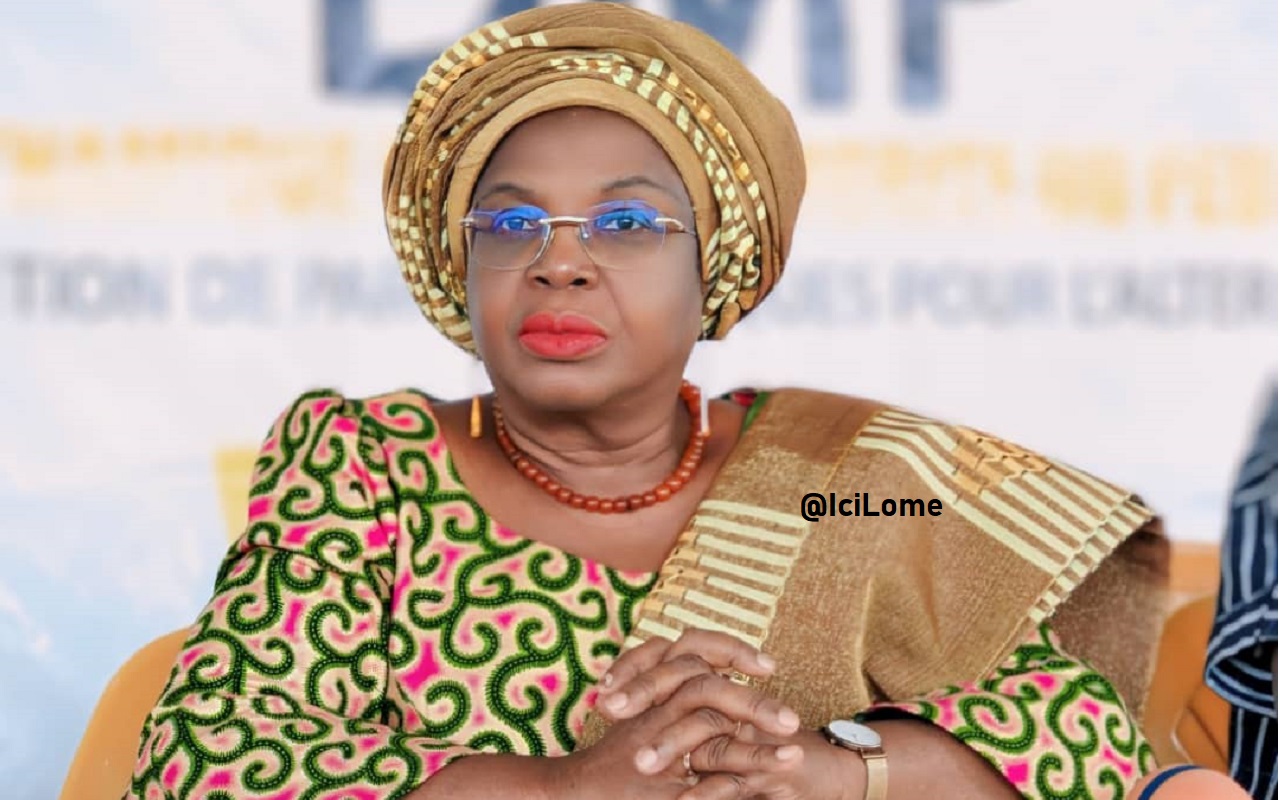
A prominent figure, Adjamagbo-Johnson, has criticized the Alliance of Sahel States (AES) for its approach to combating external imperialism. She argues that true sovereignty cannot be achieved by overlooking internal dictatorial practices. This statement comes as West African nations, including Mali and Burkina Faso, increasingly adopt sovereignist rhetoric. The AES, comprising Mali, Burkina Faso, and Niger, aims to foster collective defense and economic development. However, critics suggest that the alliance's focus on external threats may inadvertently legitimize authoritarian tendencies within member states. Adjamagbo-Johnson's remarks highlight a potential contradiction between the stated goals of self-determination and the internal governance of these nations. The debate underscores the complex challenges of achieving genuine independence in the region.
The Alliance of Sahel States (AES) faces a complex challenge in balancing its anti-imperialist stance with internal governance issues. While the alliance's stated objective is to resist external influence and promote regional autonomy, its effectiveness may be undermined if it fails to address concerns about democratic deficits and human rights within member states. This situation presents a systemic contradiction: pursuing external sovereignty while potentially compromising internal freedoms could lead to instability and erode the legitimacy of the alliance's mission. Future geopolitical dynamics will likely hinge on whether such regional blocs can foster robust, inclusive governance structures that align with their broader aspirations for self-determination, rather than solely focusing on external adversaries.
AI-generated to prompt reflection — not editorial opinion, not advice, not a statement of fact. How this works.