West Bank farmers harvest under settler threat, fearing for livelihoods
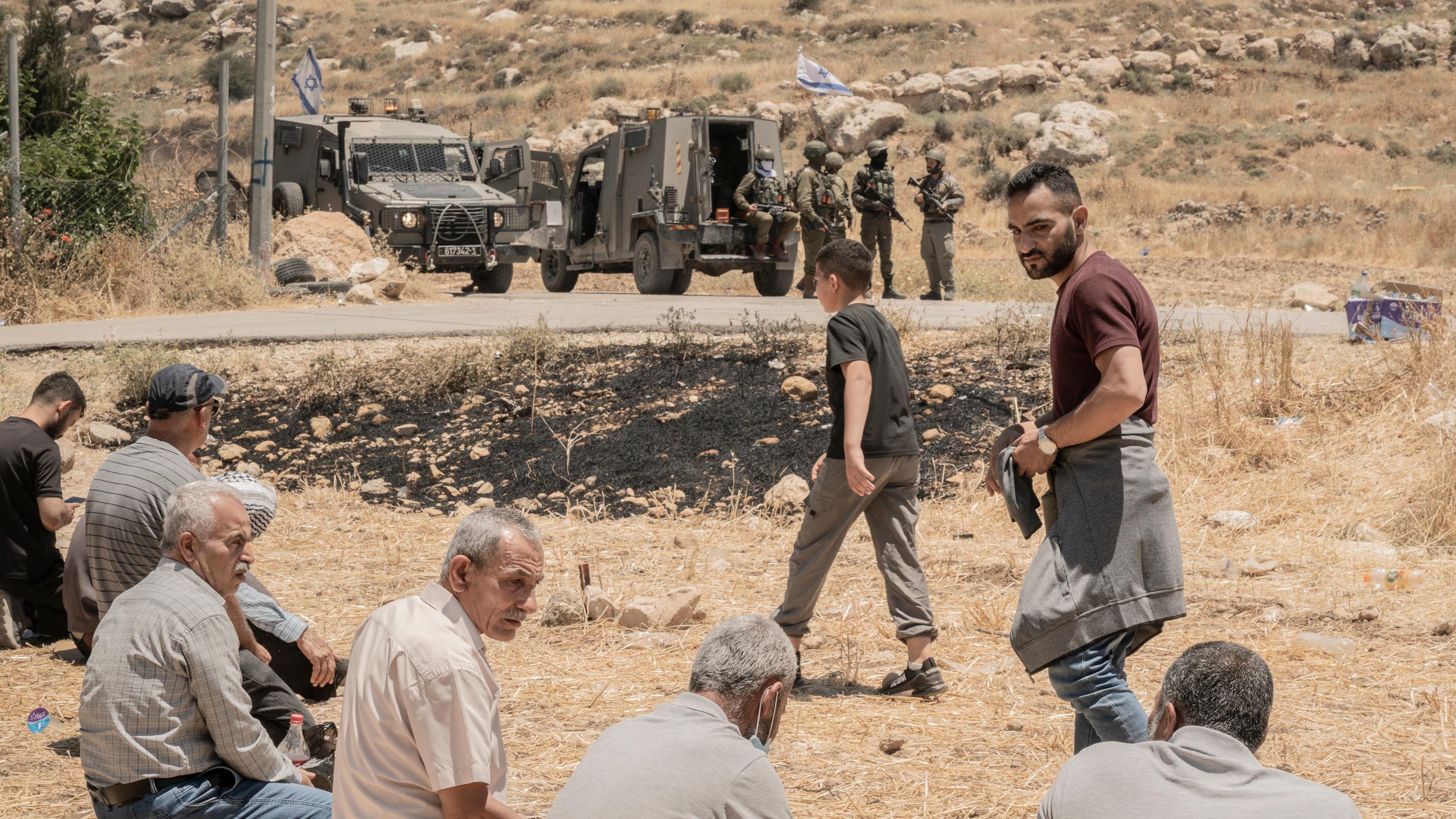
Wheat harvesting in several Palestinian villages in the West Bank has become a high-risk endeavor. Farmers describe working at night, "like thieves," due to the constant threat posed by settlers. The agricultural process is increasingly perilous, with incidents of burned fields and the expansion of settler outposts closing off access to land for Palestinian peasants. Israeli soldiers are also present in these areas, adding to the tension and insecurity faced by the local population. Each year, these challenges intensify, further restricting the ability of Palestinian farmers to cultivate their land and sustain their livelihoods. The report highlights the growing difficulties and dangers associated with farming in these specific regions of the West Bank.
The reported challenges faced by Palestinian farmers in the West Bank during wheat harvests highlight significant geopolitical and economic pressures impacting agricultural communities. The increasing restrictions on land access and the presence of security forces and settler outposts create an environment of heightened risk, potentially undermining food security and economic stability for these populations. Analyzing this situation through a systems lens, one can observe the interplay of land governance, security policies, and settler expansion, which collectively influence the viability of traditional agricultural practices. The long-term implications may involve displacement, altered land use patterns, and a greater reliance on external support, prompting consideration of sustainable land management and equitable resource access frameworks for the future.
AI-generated to prompt reflection — not editorial opinion, not advice, not a statement of fact. How this works.