West Bengal Reinstates Eggs in School Meals Following Public Outcry
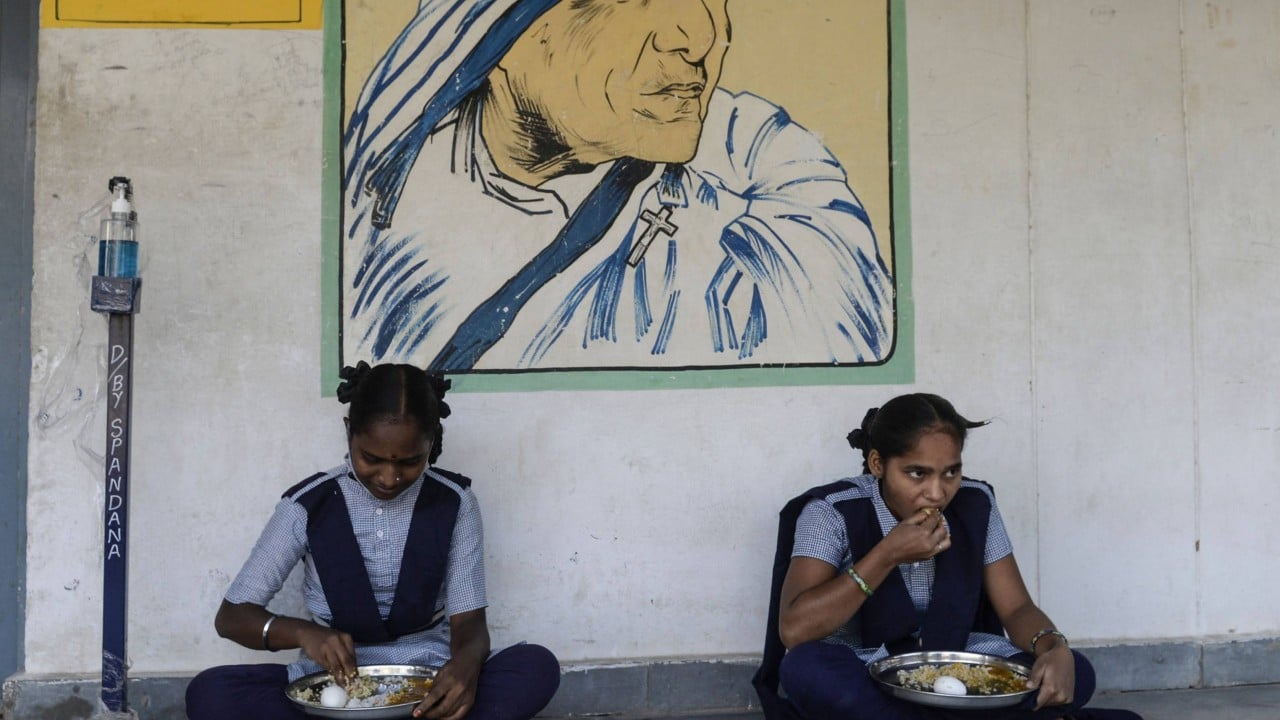
West Bengal, India, has reversed its decision to remove eggs from free school meals, opting to bring them back after facing significant public backlash. The state's Hindu nationalist government had initially planned to replace eggs with vegetarian alternatives. This move drew widespread criticism from educators, nutrition experts, and parents. They argued that removing eggs would disproportionately affect children from impoverished backgrounds, depriving them of a crucial source of protein. The controversy gained momentum last month after the Bharatiya Janata Party (BJP) government, which was elected to power, made the initial decision. The reversal indicates a response to the strong public sentiment and concerns regarding child nutrition.
The West Bengal government's initial decision to remove eggs from school meals, and subsequent reversal, highlights the complex interplay between dietary policy, nutritional science, and public sentiment. While the government may have aimed for cost-saving or ideological alignment, the strong reaction underscores the critical role of protein-rich foods like eggs in ensuring adequate nutrition for vulnerable student populations. This event serves as a case study in how policy decisions, particularly those impacting basic needs, must carefully consider evidence-based nutritional guidelines and the socio-economic realities of the beneficiaries. Future policy formulation in this area should prioritize a balanced approach that integrates nutritional requirements with fiscal responsibility and community engagement to avoid such public discord.
AI-generated to prompt reflection — not editorial opinion, not advice, not a statement of fact. How this works.