West Japan Floods 8 Years On: Memorials Held, Including for Those Rescued After 8 Hours
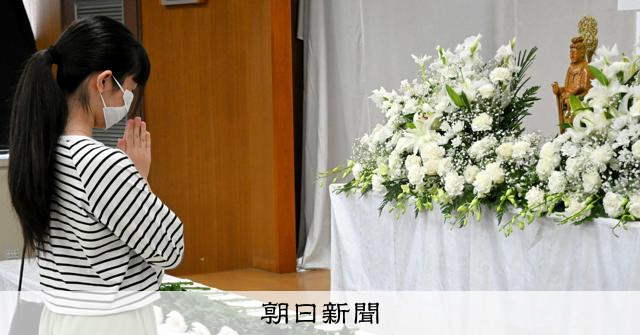
Eight years have passed since the West Japan Floods, and memorial services are being held across various locations. The disaster, which occurred in July 2018, caused widespread damage from heavy rainfall and landslides. Many areas are setting up altars for people to lay flowers and pay their respects to the victims. Among the stories of survival, one individual was rescued from a landslide eight hours after the incident, highlighting the harrowing experiences of those affected by the disaster. The floods led to significant loss of life and destruction of property, impacting communities across western Japan. The annual commemorations serve as a reminder of the event's severity and the ongoing recovery efforts. Residents and officials are reflecting on the lessons learned from the disaster to improve preparedness for future natural calamities. The scale of the devastation underscores the vulnerability of the region to extreme weather events. These memorials also honor the resilience of the affected communities in rebuilding their lives.
The eighth anniversary of the West Japan Floods prompts reflection on disaster preparedness and response. The event underscores the critical importance of timely rescue operations, as exemplified by the individual rescued after eight hours, suggesting potential areas for improvement in emergency response protocols and infrastructure resilience. The recurring memorials highlight the long-term societal impact of natural disasters and the need for sustained community support and mitigation strategies. Looking ahead, the increasing frequency of extreme weather events due to climate change necessitates a proactive approach to urban planning, early warning systems, and robust infrastructure capable of withstanding such impacts. This event serves as a case study for evaluating the efficacy of national and local disaster management frameworks in the face of evolving environmental challenges.
AI-generated to prompt reflection — not editorial opinion, not advice, not a statement of fact. How this works.