West Java DPRD Leader Rejects Reinstating School Fees in Public High Schools
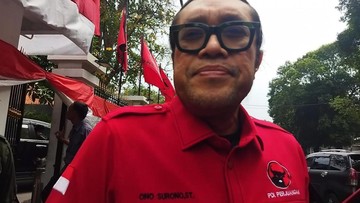
Ono Surono, the Deputy Speaker of the West Java Regional People's Representative Council (DPRD Jabar), has rejected the idea of reactivating the School Operational Fund (SPP) in public high schools (SMA/SMK). He emphasized that education is a fundamental right and the government's responsibility. Surono stated that providing free education is a mandate that should be fulfilled through the state budget. He believes that any attempt to reintroduce school fees would burden parents and potentially hinder access to education for students from less privileged backgrounds. The DPRD Jabar leader stressed the importance of upholding the principle of free education as stipulated by law. He further explained that the government has sufficient mechanisms to allocate funds for educational purposes. Therefore, reactivating SPP is not a necessary or desirable step. Surono's stance highlights the commitment to ensuring equitable educational opportunities for all students in West Java.
The proposal to reintroduce school fees in public education systems often reflects underlying fiscal pressures or debates about the optimal funding models for education. While proponents might argue for supplementary funding to enhance educational quality, opponents, like Deputy Speaker Ono Surono, emphasize the state's constitutional obligation to provide free education. This tension highlights a systemic challenge in balancing resource allocation with the principle of universal access. In the context of evolving economic landscapes and increasing demands on public services, governments face difficult choices regarding education funding. The long-term implications of reintroducing fees could impact educational equity and social mobility, potentially creating barriers for disadvantaged students. Future policy considerations may need to explore innovative and sustainable funding mechanisms that uphold educational access while ensuring high-quality learning environments.
AI-generated to prompt reflection — not editorial opinion, not advice, not a statement of fact. How this works.