West Nile Virus: 14 New Cases in Athens Metropolitan Area
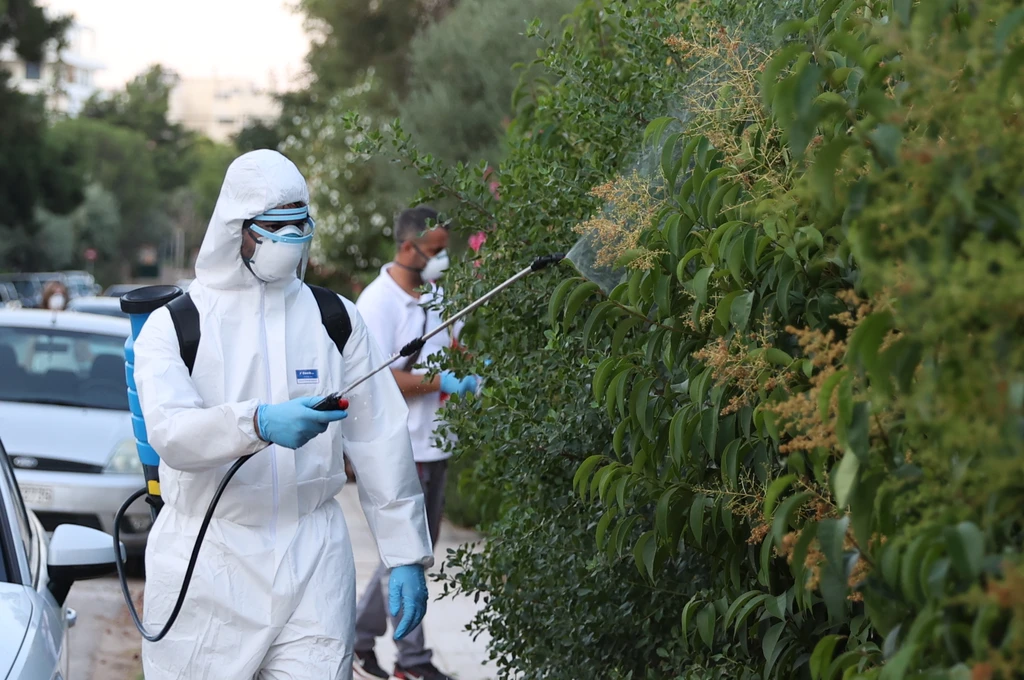
Fourteen new cases of West Nile Virus (WNV) have been reported in the Athens metropolitan area, raising concerns about its geographical spread. The Greek National Public Health Organization (EODY) confirmed the new infections, bringing the total number of cases in the country to 32 for the current season. While the majority of these cases are concentrated in the Attica region, which includes Athens, EODY has also identified cases in other parts of Greece. The organization is monitoring the situation closely and has issued advisories for the public to take preventive measures against mosquito bites. These measures include using insect repellent, wearing protective clothing, and eliminating stagnant water sources where mosquitoes breed. The increase in WNV cases is attributed to favorable climatic conditions for mosquito populations. Health authorities are intensifying surveillance and control efforts in affected areas. Residents in the identified municipalities are urged to be particularly vigilant.
The rise in West Nile Virus cases in the Athens metropolitan area and other regions of Greece highlights the ongoing challenge of vector-borne disease management. Favorable climatic conditions, often exacerbated by climate change, create environments conducive to mosquito proliferation, increasing the risk of transmission. Public health responses typically involve surveillance, public awareness campaigns, and mosquito control measures. The effectiveness of these strategies depends on consistent funding, inter-agency coordination, and public adherence to preventive advice. Looking ahead, integrated pest management approaches and potentially novel biotechnological solutions may become increasingly important to mitigate such outbreaks, especially as environmental shifts continue to influence disease vectors.
AI-generated to prompt reflection — not editorial opinion, not advice, not a statement of fact. How this works.