West Nile Virus Cases Rise in Italy Amidst Summer Surge
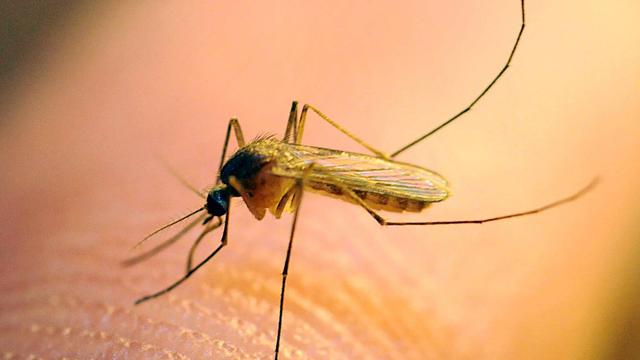
The number of West Nile Virus cases has increased in Italy, a trend commonly observed during the summer months. This mosquito-borne virus poses a minimal risk of severe illness for the majority of the population, according to the World Health Organization (WHO).
The WHO emphasizes that while the virus is circulating, most individuals infected do not develop symptoms or experience only mild ones. However, a small percentage of people can develop more serious neurological conditions. Public health authorities are monitoring the situation closely as mosquito activity typically peaks during warmer periods.
The seasonal increase in West Nile Virus cases in Italy highlights the ongoing challenge of managing vector-borne diseases in temperate climates. Public health strategies likely focus on mosquito control and public awareness campaigns to mitigate transmission risks. The WHO's assessment underscores the importance of understanding population-level risk versus individual susceptibility, particularly for vulnerable groups. Future public health planning may need to consider the potential impacts of climate change on vector distribution and disease prevalence, necessitating adaptive surveillance and intervention measures.
AI-generated to prompt reflection — not editorial opinion, not advice, not a statement of fact. How this works.