West Nile Virus Claims Four Lives in Greece, Attica Most Affected
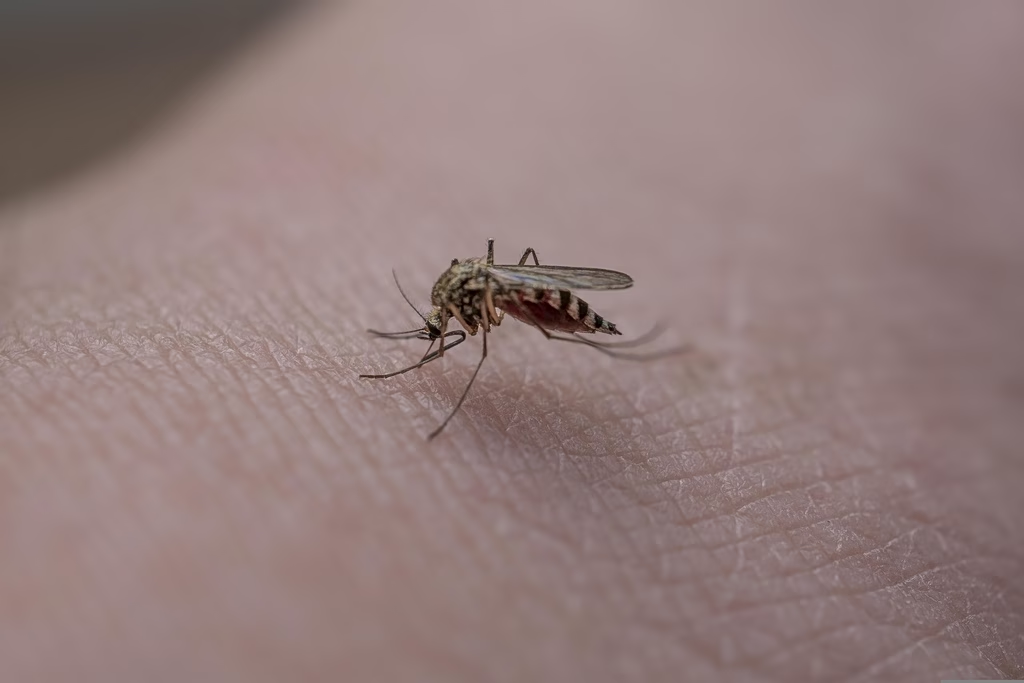
Greece is experiencing a significant increase in West Nile virus infections, leading to considerable public concern. In just one week, four individuals have died from the virus, with several others currently hospitalized. A total of five patients are in Intensive Care Units (ICUs), while an additional eight are receiving care outside of the ICUs. The majority of reported cases are concentrated in the Attica region, highlighting it as the most vulnerable area. Health authorities are closely monitoring the situation and implementing measures to control the spread of the virus. The rise in cases underscores the importance of public awareness regarding mosquito bite prevention. Further details on specific affected areas within Attica are expected as the situation develops. The Greek Ministry of Health has urged citizens to take precautions, especially during dawn and dusk when mosquitoes are most active. This outbreak serves as a stark reminder of the ongoing threat posed by vector-borne diseases.
The reported increase in West Nile virus cases and fatalities in Greece, particularly in the Attica region, indicates a potential public health challenge requiring robust epidemiological surveillance and vector control strategies. The concentration of cases in Attica suggests localized environmental factors or higher mosquito populations may be contributing to transmission. Public health messaging should focus on evidence-based prevention methods, such as personal protection against mosquito bites and environmental management to reduce breeding sites. Future preparedness will depend on the efficacy of ongoing monitoring systems and the adaptive capacity of public health infrastructure to respond to emerging infectious disease threats in a changing climate. Understanding the socio-economic and environmental determinants of mosquito-borne diseases is crucial for developing sustainable, long-term mitigation plans.
AI-generated to prompt reflection — not editorial opinion, not advice, not a statement of fact. How this works.