West Nile Virus Detected for First Time in Rhineland-Palatinate, Germany
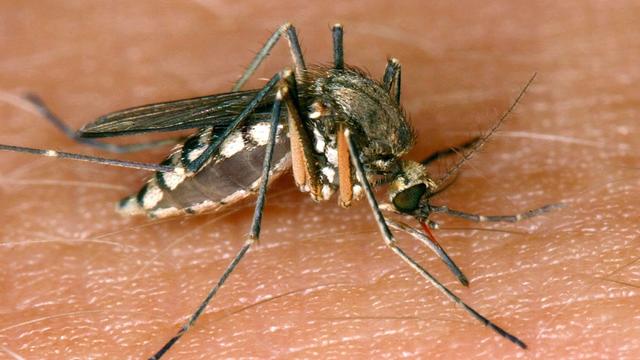
Health authorities in Rhineland-Palatinate, Germany, have confirmed the first-ever detection of the West Nile Virus (WNV) within the state. This marks a significant development in the monitoring of infectious diseases in the region. The virus, primarily transmitted by infected mosquitoes, can cause illness in humans and animals. While many infections are asymptomatic, some individuals may develop severe neurological symptoms. Public health officials are urging residents to take preventative measures against mosquito bites. This includes using insect repellent, wearing protective clothing, and eliminating standing water where mosquitoes breed. The detection underscores the importance of ongoing surveillance for vector-borne diseases, especially as climate change may influence the geographic spread of such pathogens. Further monitoring and public awareness campaigns are expected to follow this initial confirmation.
The detection of the West Nile Virus in Rhineland-Palatinate signifies an expansion of its known endemic range, potentially influenced by environmental factors and increased vector surveillance. Public health agencies face the challenge of balancing public awareness with preventing undue alarm, emphasizing proactive, non-pharmaceutical interventions like mosquito control. This event highlights the need for robust, long-term public health infrastructure capable of adapting to emerging infectious disease threats, particularly those influenced by climate and global interconnectedness. Future strategies may involve enhanced mosquito population monitoring, genetic sequencing of viral strains, and potentially developing more targeted public health advisories as WNV's presence becomes more established in new territories.
AI-generated to prompt reflection — not editorial opinion, not advice, not a statement of fact. How this works.