West Nile Virus: New Measures for Blood Donation Announced by EKPA
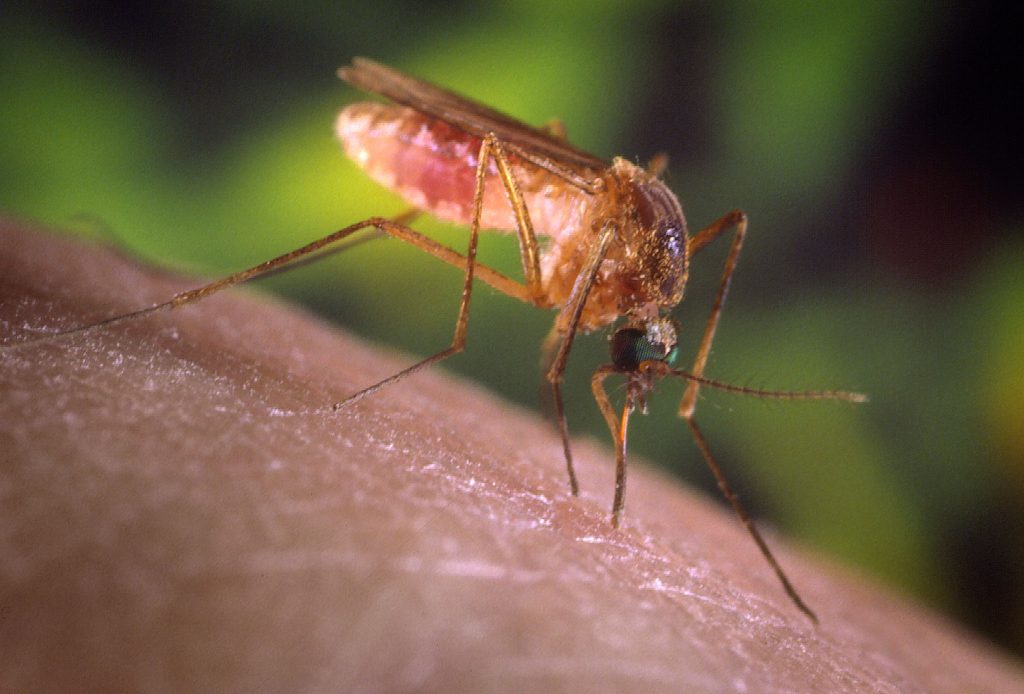
The Hellenic Center for Disease Control and Prevention (EKPA) has implemented new measures concerning blood donation in response to the West Nile Virus. These measures are guided by the Ministry of Health's Action Plan and are informed by epidemiological data from the Hellenic National Public Health Organization (EOYD) up to July 29, 2026. Specific regions will be placed under increased surveillance as part of this initiative. The EKPA's decision aims to bolster the safety of the blood supply and mitigate the potential spread of the virus through transfusions. Further details on the affected areas and the exact nature of the enhanced surveillance are expected to be released.
The implementation of enhanced surveillance and new protocols for blood donation in response to the West Nile Virus highlights the ongoing challenge of vector-borne diseases in public health systems. This proactive measure by EKPA, grounded in national health strategies and real-time epidemiological data, reflects a commitment to safeguarding the blood supply. The focus on specific regions suggests a data-driven approach to resource allocation and risk management. Looking ahead, such strategies will become increasingly critical as climate shifts may alter disease vector ranges and incidence, necessitating adaptive public health infrastructure and robust monitoring systems.
AI-generated to prompt reflection — not editorial opinion, not advice, not a statement of fact. How this works.
