West Nile Virus Returns to Attica with First Seven Cases of 2026
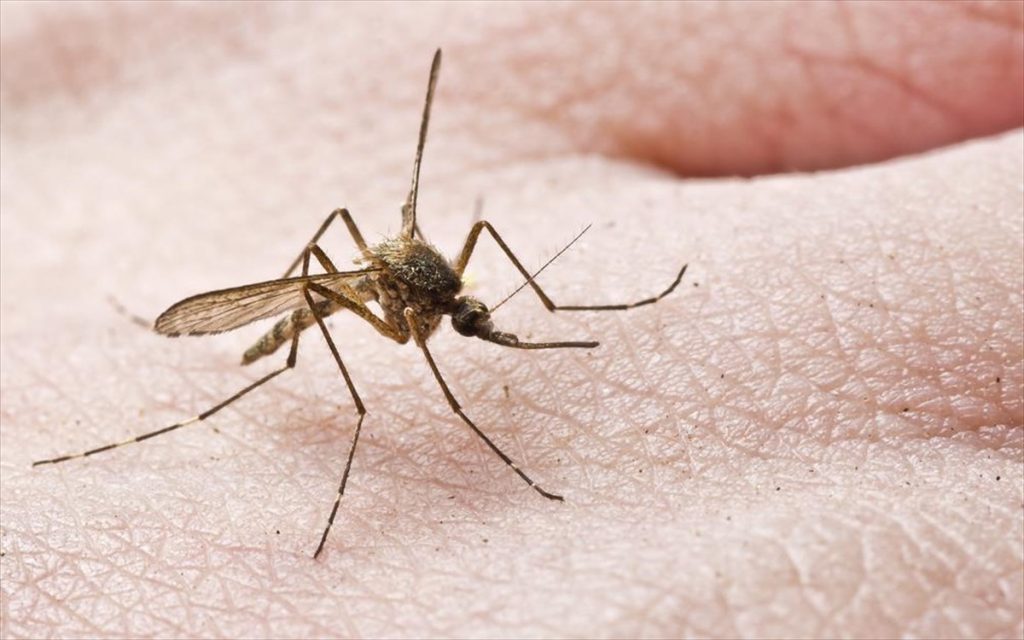
The unpredictable West Nile Virus has made its return to Attica, with the first seven cases of 2026 being reported in the region. In response to these initial outbreaks, authorities have activated emergency mosquito control programs. These measures include immediate larvicide applications and widespread spraying operations aimed at curbing the mosquito population, which is the primary vector for the virus. The swift implementation of these public health interventions underscores the seriousness with which the spread of West Nile Virus is being treated. Residents are advised to take precautions to avoid mosquito bites, especially during dawn and dusk when mosquito activity is typically highest. Further monitoring and control efforts are expected to continue throughout the season to prevent a larger-scale outbreak.
The reappearance of the West Nile Virus in Attica highlights the persistent challenge of vector-borne disease management in urban and peri-urban environments. Public health strategies must balance immediate vector control, such as larviciding and spraying, with long-term ecological considerations and community engagement. Future preparedness will likely involve enhanced surveillance systems, potentially leveraging AI for predictive modeling of mosquito populations and transmission hotspots. Furthermore, understanding the socio-economic factors that influence human-vector interaction and access to preventative measures will be crucial for developing more equitable and effective public health interventions in the coming decade.
AI-generated to prompt reflection — not editorial opinion, not advice, not a statement of fact. How this works.