West Responds to Putin's Cyber Warfare with Sanctions on Russian Hackers
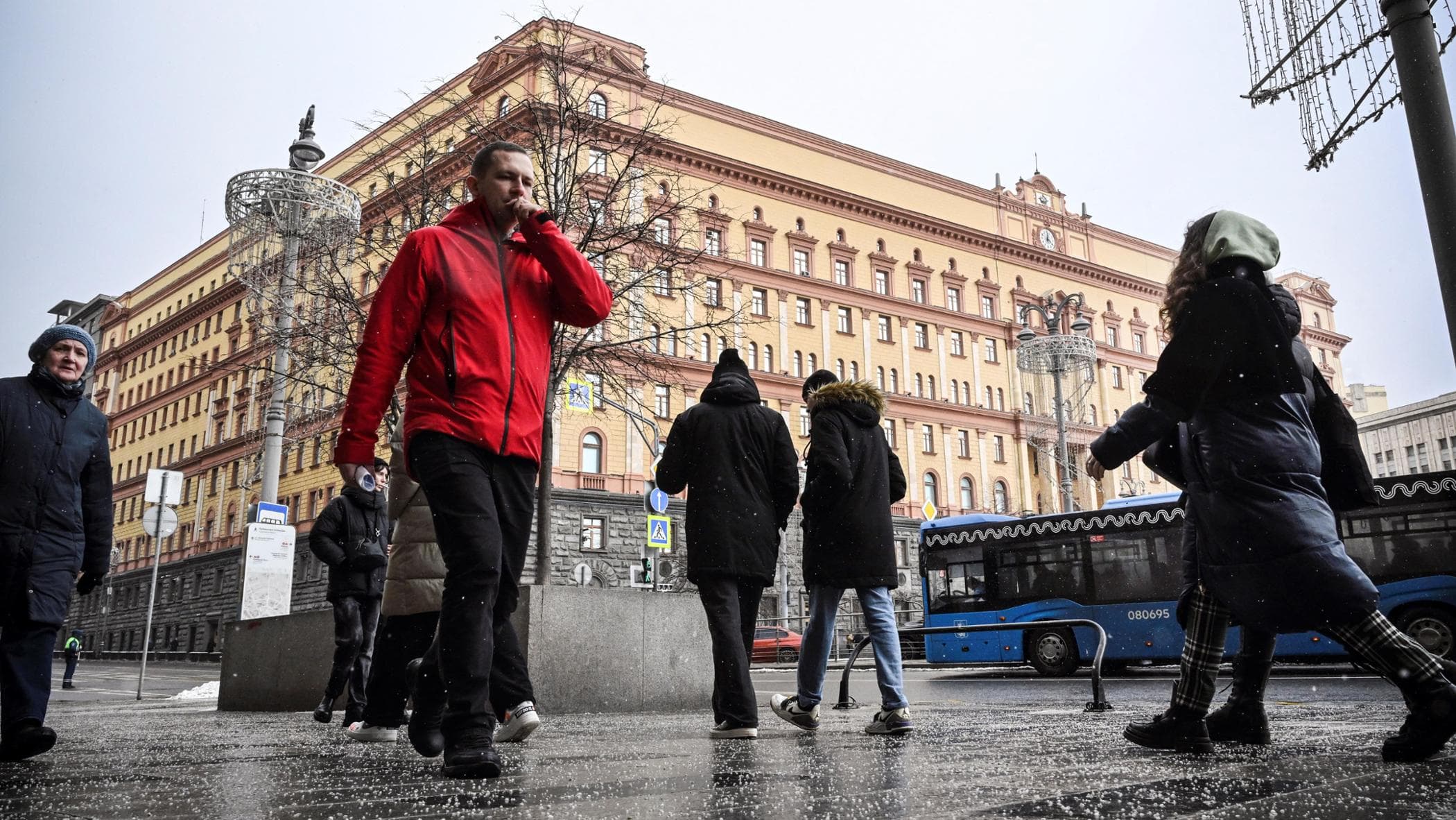
The European Union, NATO, and London have initiated responses to Russian cyber warfare activities attributed to state-sponsored hackers. These actions include the imposition of sanctions against individuals and entities involved in the cyberattacks. The Kremlin has denied the allegations, stating that the West lacks sufficient evidence to support its claims. In parallel, 12 intelligence services, including Italy's, have issued guidelines to help citizens and organizations protect themselves from cyber threats. This coordinated international reaction highlights the growing concern over state-sponsored cyber operations and their potential impact on global security and infrastructure.
The international community's coordinated response, including sanctions and cybersecurity advisories, signals a strategic shift in addressing state-sponsored cyber operations. This approach aims to impose economic and political costs on actors engaging in disruptive cyber activities, while simultaneously bolstering defensive capabilities. The Kremlin's denial underscores the ongoing challenge of attribution in cyberspace, a persistent issue that complicates international law and diplomacy. Looking ahead, the increasing sophistication of cyber threats necessitates a continuous evolution of both offensive deterrence and defensive resilience, requiring robust international cooperation and technological innovation to navigate the complex landscape of digital warfare.
AI-generated to prompt reflection — not editorial opinion, not advice, not a statement of fact. How this works.