West Should Support Diplomacy and Democracy in Iran
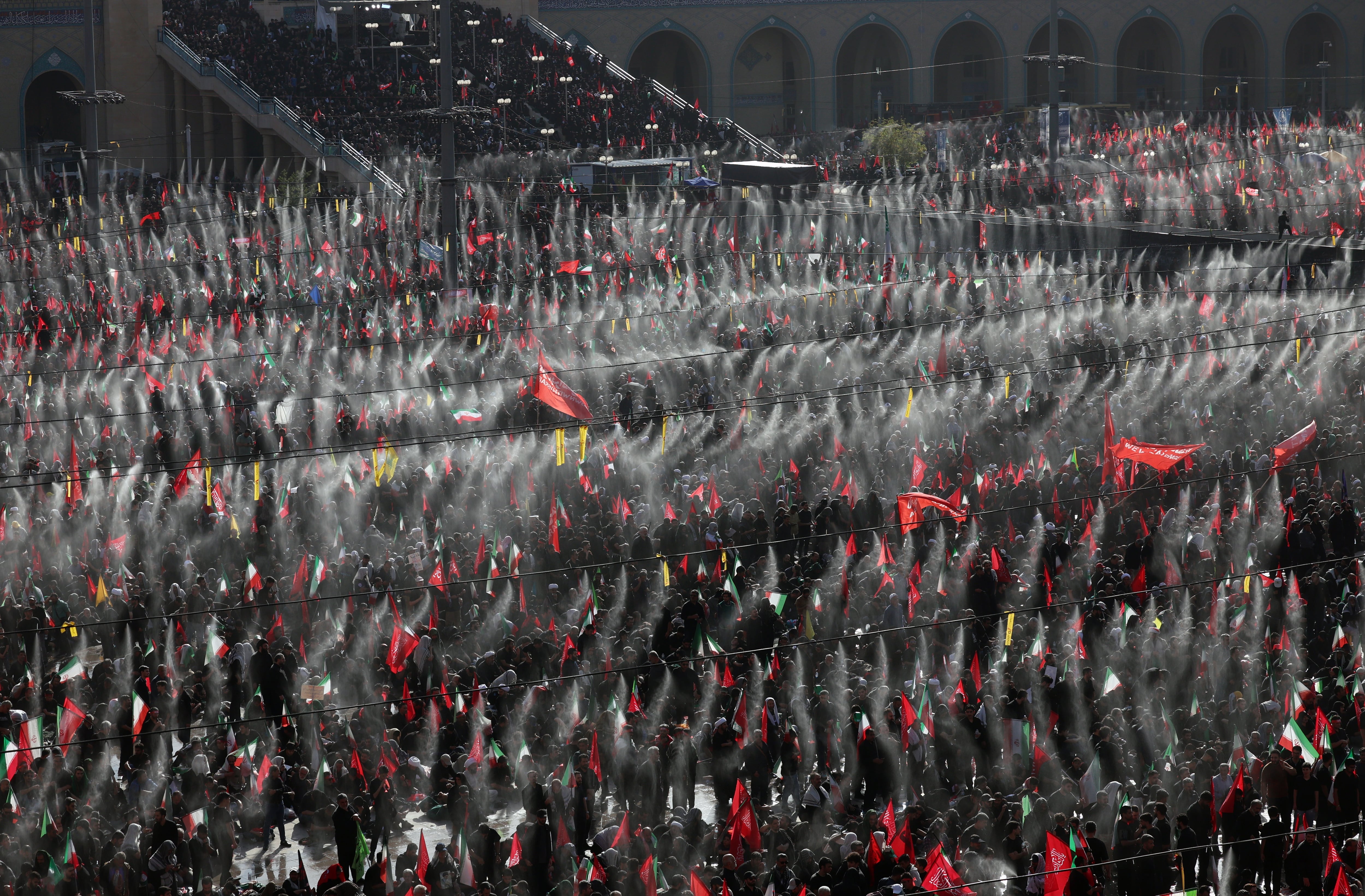
The West should maintain its support for diplomacy and democracy within Iran. It is not contradictory to simultaneously support the Iranian people and engage in dialogue with their government. This approach acknowledges the complexities of international relations and the internal dynamics of Iran. Sustaining diplomatic channels is crucial for fostering potential democratic movements and advocating for human rights.
Engaging with the current leadership, despite ideological differences, can provide opportunities to influence policy and encourage reforms. This dual strategy aims to empower the populace while keeping lines of communication open with the state apparatus. It reflects a nuanced understanding that progress often requires multifaceted engagement.
This perspective advocates for a dual-track approach in Western engagement with Iran, emphasizing both support for democratic aspirations and continued diplomatic dialogue with the ruling establishment. The core argument suggests that these two objectives are not mutually exclusive. From a geopolitical standpoint, maintaining diplomatic ties, even with adversarial regimes, can serve as a vital conduit for de-escalation, intelligence gathering, and potentially influencing internal policy shifts. Simultaneously, supporting civil society and democratic movements, through various forms of soft power or advocacy, aims to foster long-term systemic change. The challenge lies in balancing these potentially conflicting strategies to avoid inadvertently legitimizing the current regime while genuinely empowering the Iranian people. Future policy decisions will likely hinge on navigating the complex interplay between international pressure, internal Iranian dynamics, and the evolving regional security landscape.
AI-generated to prompt reflection — not editorial opinion, not advice, not a statement of fact. How this works.