West Virginia Declares State of Emergency Amid Severe Flash Flooding
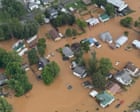
Torrential rains have triggered severe flash flooding across West Virginia, inundating homes and businesses and washing out bridges. Governor Patrick Morrisey declared a state of emergency for all 55 counties on Tuesday night in response to the widespread damage. Authorities reported numerous water rescues in affected areas. The National Guard has been deployed, with 100 members sent to the hardest-hit northern regions and an additional 200 expected by Wednesday morning. While no deaths were immediately reported, the severe weather has caused significant disruption. These storms were part of a larger weather system that also produced reports of tornadoes in other states.
The severe flooding in West Virginia highlights the increasing vulnerability of communities to extreme weather events, potentially exacerbated by climate shifts. The declaration of a state of emergency and deployment of the National Guard represent immediate response mechanisms, but the recurring nature of such disasters necessitates a long-term strategy. This includes investing in resilient infrastructure, improving early warning systems, and considering land-use planning that mitigates flood risks in vulnerable areas. The economic and social costs of repeated inundations place a significant burden on state and federal resources, prompting a re-evaluation of preparedness and mitigation efforts for the future.
AI-generated to prompt reflection — not editorial opinion, not advice, not a statement of fact. How this works.